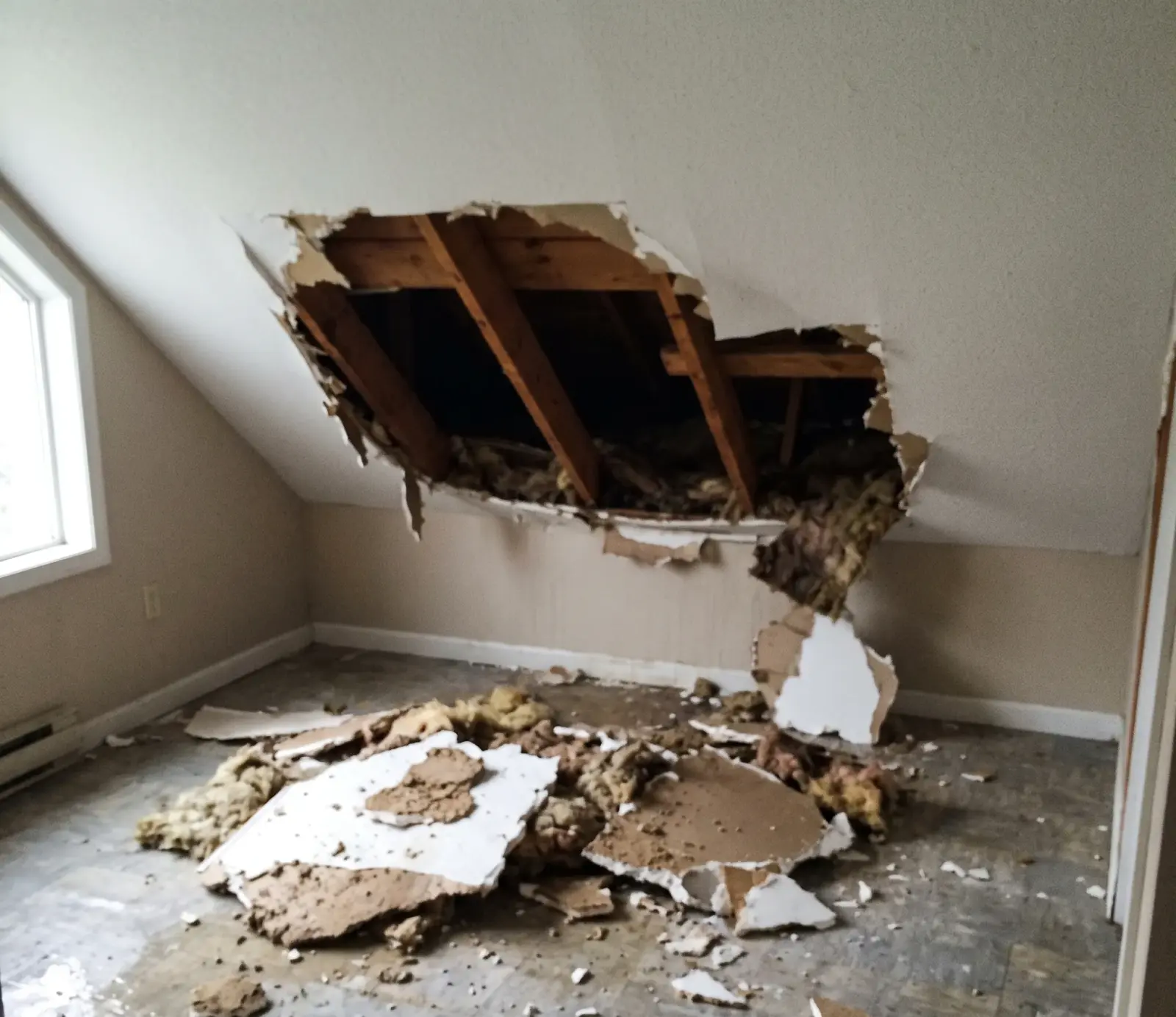
Routes Water Takes Through a Home
Carmel Engineering publishes guidance on stormwater capacity and private-drain connections. That local information can help an owner understand drainage questions around a property, but it does not establish why rain entered through a particular roof or whether a home has flood exposure.
A Carmel owner can use the Arts & Design District or Monon Greenway as familiar references when describing an address, but proximity to either says nothing about a roof leak. Give the street address and identify the affected room so the extraction scope is tied to the actual property.
Emergency Water Extraction inquiries come from across Carmel and Hamilton, where nearby service boundaries may not follow the address a caller expects. Share the property’s street address so the pros we connect you with can check whether they serve that location.
Handling Potentially Contaminated Water
- COST DRIVERS
- A pump or wet vacuum can collect reachable pooling, with the choice shaped by pool depth and floor access.
- RAIN ENTRY
- A carpet surface may appear improved while its pad remains wet; the materials need separate checks.
- VISIBLE WATER
- Ceiling stains can help locate a room affected by rain, but do not establish the floor's condition.
- METHOD LIMITS
- An extraction invoice can name the rooms and flooring included, while roof repair may be separate.
- CONTACT DETAILS
- Water can seep around a door frame and leave damp trim, even when the door itself still opens and closes normally.
- NEXT STEPS
- Carmel storms can reveal a roof leak while rain is falling, but damp ceiling marks may become noticeable later. In colder weather, a thaw can expose earlier moisture. Season gives context for when signs appeared; it cannot identify the entry route or show how much water reached flooring.
- RECORDS
- an estimated $400–$2,000
What Standing Water Removal Covers
Roof repair. It addresses the opening that let rain inside, while extraction collects accessible water from indoor flooring. A roof leak may call for both, but completing one scope does not confirm the other was done. Check the written estimate and final invoice: they should name the rooms and floor materials included in extraction. A roof-repair document describes work at the building exterior. If both are needed, compare the listed tasks rather than assuming one scope includes the other.
How Site Conditions Shape the Scope
The pro establishes the work boundary by tracing the visible route from ceiling to floor, checking which flooring is wet, and noting any areas that cannot be reached without moving contents or lifting material. If safe, further rain entry is limited separately; extraction cannot stop a roof opening from admitting more water.
After a storm in Carmel, a ceiling stain or wet carpet signals rainwater intrusion. The pros we connect you with first trace where rain entered and limit further entry, then inspect the carpet and pad before extracting accessible water. A pump needs a reachable collection point; a wet vacuum can follow separate wet patches but needs clear surface access. Neither reaches water concealed beneath flooring.
A single visit can be enough when pooled water is exposed, confined, and removable without follow-up work. If moisture checks find damp flooring or water in adjoining areas, ask for a plan that includes assessment and drying after extraction; removing the visible water alone does not settle those conditions.
HOW POOLED WATER AND DAMP MATERIALS CALL FOR DIFFERENT WORK
| Affected Materials |
Pooled Water |
|---|
| Basement water awaiting pump-out | Pump or vacuum use |
| A second pool forms after removal | Water condition |
| Water reaching rooms on separate sides | Pooled water extracted; dampness assessed |
CLAIM MATERIALSThe supplied facts identify no specific Indiana code provision for extraction work, and Indiana does not issue a state license for this service. Ask for an invoice naming the rooms, carpet or pad work, and any exclusions. Roof repair and follow-up drying may be separate scopes; keep the written record for your insurer.
How Drying Equipment Fits In
When rain sits on carpet, it can pass through to the pad and leave the floor assembly wet after surface pooling is removed. Delay can let the affected area widen and make floor materials harder to assess. Cleanup may then involve checking more carpet and pad, with replacement or other repairs considered separately.
Keep Foot Traffic to Dry Areas
From a dry location, write down when the leak appeared, which rooms and floor areas are wet, and whether rain is still entering. Photograph visible marks without stepping beneath a sagging ceiling. Keep others away from wet rooms where outlets or wiring could be affected. Do not climb onto a wet roof; leave source control and concealed moisture checks to qualified help.
Deciding When an Area Is Unsafe
Water from a roof can reach outlets, lamps, or wiring before a puddle forms. Keep people out of a wet room if electrical parts may have been affected; do not touch switches or appliances there. A sagging or cracking ceiling is also a reason to clear the area, since wet material can fall. In Carmel, wait for qualified help to assess an uncertain hazard before anyone enters to document damage.
Ask What The Removal Estimate Describes
Tell the pros we connect you with where water traveled and what may limit equipment access; ask for a written estimate tied to the removal work.In Carmel, this scope guide covers removing pooled water from affected rooms; moisture checks and drying, leak repair, sewage cleanup, mold remediation, and rebuilding fall outside that work. Those added tasks change the estimate. Ask the pros we connect you with to state any visit charge and list the extraction work in a written estimate before scheduling.For the complete range of costs, consult pricing guide; turn to Carpet and Pad Water Extraction when pooled water needs urgent removal.