Extraction availability varies — call to confirm. · (317) 799-9832
Water Heater Leak Extraction in Carmel, IN
Carmel Heater Extraction

Emergency Water Extraction in Carmel After Heater Leaks

Carmel notes that seasonal high water tables can contribute to basement intrusion. A water heater spill still follows the building’s indoor layout, and the season alone cannot show how far water traveled or whether nearby materials stayed damp.

INITIAL REVIEW

After the leak is addressed and the area is safe, the pros we connect you with remove floor water with equipment suited to the spill. Nearby wall bases, floor edges, and stored items may need moisture checks; delayed removal can extend the affected area.

SAFE ACCESS

A Plumbing Failure Releases Water Indoors

A homeowner may call after finding pooled water that ordinary cleanup cannot fully collect.

Rust-colored tide marks remain around the drain pan

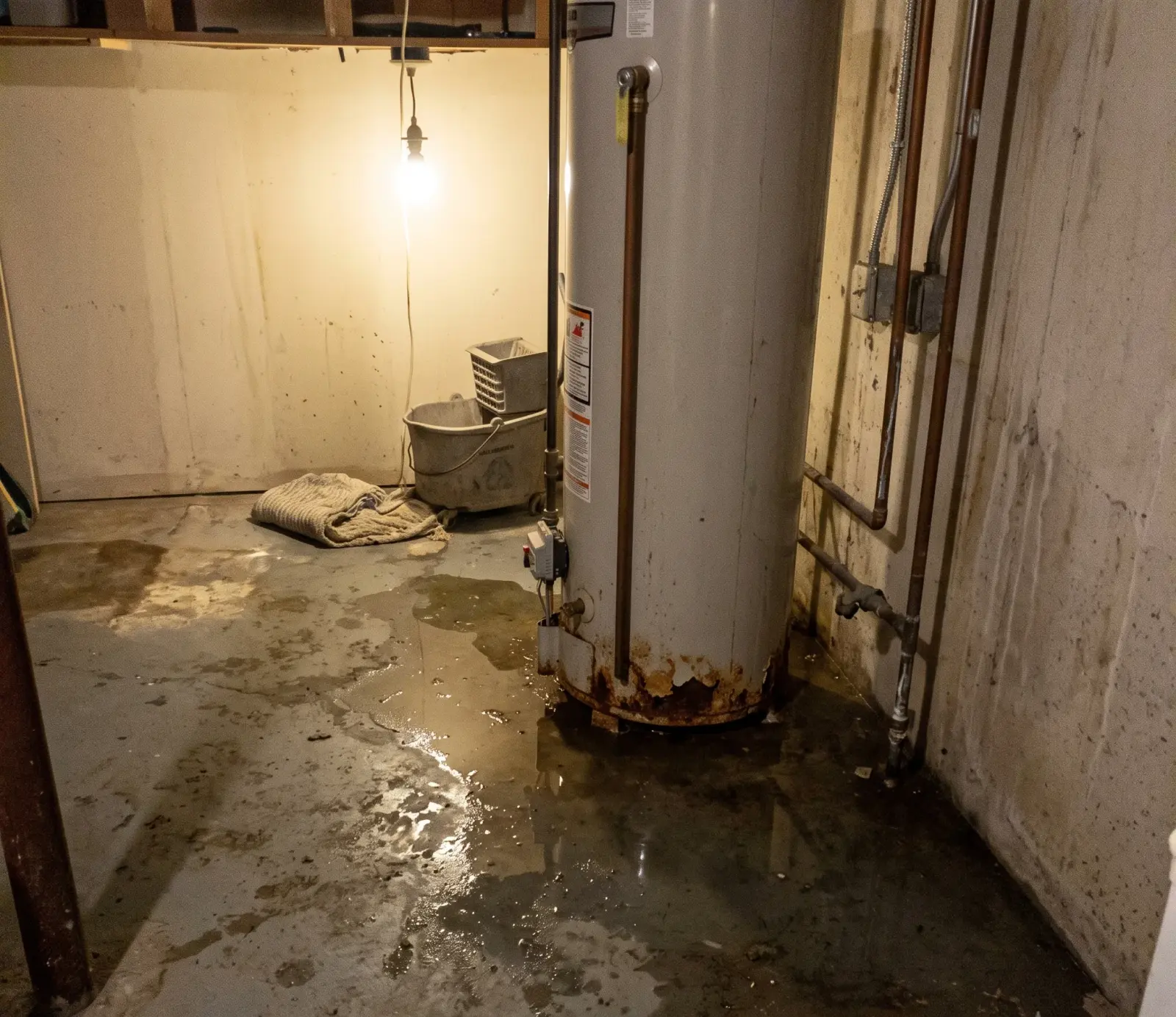
A pool gathered at the tank can conceal how far water traveled beneath the heater or nearby objects. From a dry position, note its visible edge and whether it touches a doorway. If the pool remains, report that location so the removal plan can account for access and standing water.

Water stain extends beneath the utility-room door casing

A narrow wet track leading away from the heater suggests the floor carried water beyond the tank area. Its endpoint matters: it may stop at a seam or continue into another space. Record the direction without following it through the water, then mention that route when arranging an assessment.

Floor seams swell where the heater closet meets tile

Darkened or lifted trim near the heater can indicate water reached the wall-floor junction. The mark may remain after the floor surface appears dry, so identify the affected wall and how far the discoloration extends. That gives the provider a specific nearby area to consider when checking for moisture.

Baseboard bows along the adjoining storage-room wall

A damp cardboard box or fabric item can show that water reached stored belongings, while its underside may hide wet flooring. Do not drag it through the room. Tell the provider what was affected and where it sat; prolonged contact can add materials to the cleanup scope.

Stored fabric carries a damp odor beside the tank

A persistent damp odor around the utility space can remain after visible water is gone, especially if nearby materials stayed wet. Note whether the smell is strongest near the tank, wall, or storage area. That clue can help focus follow-up checks before hidden dampness leads to a larger drying job.

How Wet Materials Affect Next Steps

Record the wet area around the heater separately from any dampness already present elsewhere in the basement. Those conditions do not establish why a particular heater leaked, but existing basement dampness can complicate judging what came from the appliance spill.

Homes around the Design District, Midtown Plaza, and the Monon Greenway have different layouts and storage arrangements. Carmel’s local context cannot determine an individual home’s flood exposure; the indoor water path and affected materials set the extraction assessment.

In Carmel and Hamilton, calls can follow water entering where soils drain poorly and groundwater sits high. Those conditions can leave lower parts of a building wet after rain, so the first report may describe indoor pooling without identifying what is feeding it.

Active Sources and Separate Repairs

WATER LEVEL
Water left around a heater may soak into floor joints before the surface puddle is gone.
SPREAD AREA
A doorway or change in floor surface can mark where water may have moved beyond the utility space.
SAFE ENTRY
Trim and stored belongings can retain dampness after standing water has been removed.
NEARBY MATERIALS
Wet electrical equipment makes the surrounding area unsafe to enter until qualified help assesses it.
DELAY IMPACT
A written scope can clarify which nearby areas were checked and whether drying is separate.
EQUIPMENT USED
Carmel notes that seasonal high water tables can contribute to basement intrusion. A water heater spill still follows the building’s indoor layout, and the season alone cannot show how far water traveled or whether nearby materials stayed damp.
WATER CATEGORY
an estimated $700–$1,400

What Comes After Water Removal

Water heater repair addresses the appliance or leak source. Extraction removes water already on the floor, so resolving the leak does not by itself clear wet flooring or nearby materials. Water extraction addresses the spill, while diagnosing the tank or its connections is a separate task. The tank, nearby supply connections, and floor should be evaluated separately by qualified help; avoid touching equipment in a wet utility area.

Choosing Tools for the Conditions

The provider reviews where water appeared, how far it spread, and whether the utility area can be approached safely. They consider the floor surface, water depth, and access around the tank before choosing removal equipment. This initial assessment helps set the affected area and keeps the work focused on the spill’s actual path.

Once access is safe, equipment removes standing water from the floor. The provider can then check nearby floor edges, wall bases, and areas beneath or beside stored items for remaining dampness. If materials need drying, that work may follow extraction as a separate step; removing visible water does not settle the full cleanup scope.

When the intrusion has stopped and water is limited to an accessible area, extraction may be completed in one appointment. If water is still entering, or materials remain damp afterward, clarify who will address the source and whether separate drying visits are included in the written scope.

VISIBLE WATER AND MATERIAL MOISTURE REQUIRE DIFFERENT CHECKS
Intrusion Source Pump Access
Basement water awaiting pump-outPump or vacuum use
A second pool forms after removalWater condition
Water reaching rooms on separate sidesPooled water extracted; dampness assessed

Gather Details About the Water Source

From a dry area in the Carmel home, note the heater’s location and photograph any visible water and damp materials. A label or display may help identify the unit when contacting a provider. Do not move wet belongings or operate heater controls. If water is near wiring or an outlet, stay back and seek qualified help before approaching.

How Structural Damage Changes Safe Access

Water around a heater can make footing uncertain and may reach powered equipment. Even away from powered equipment, water can make the floor slippery and hide uneven spots. A dry route around the spill does not prove the utility space is safe. Report any electrical concern before work begins.

See How Pumps Lift Water From Floors

The condition of affected materials can help determine how they should be handled.In Carmel, this scope guide covers removing pooled water from affected rooms; moisture checks and drying, leak repair, sewage cleanup, mold remediation, and rebuilding fall outside that work. Those added tasks change the estimate. Ask the pros we connect you with to state any visit charge and list the extraction work in a written estimate before scheduling.See how costs vary in pricing guide, then read Basement Water Extraction for details on removing standing water promptly.
FURTHER READING

Hidden Dampness After Pooling Stops

QUESTIONS ANSWERED

Extraction FAQs

How is water removed after a water heater leak?

In Carmel, whether a home is near the Design District, Midtown Plaza, or Cool Creek, the pros we connect you with can extract standing water from the floor after the leak is addressed. The owner can point out damp baseboards, lower drywall, or cardboard stored beside the heater. Those absorbent materials may hold moisture after the visible floor water is gone, so they may need separate checks. Extraction removes standing water; drying is a separate step.

What nearby areas may need checking after a heater spill?

The floor around the tank is only the starting point. Water can move beneath storage, into a floor joint, or toward the base of a partition wall. If cleanup waits, damp flooring or trim can remain wet after the surface puddle disappears, widening the area that needs attention. Tell the provider which items were wet and whether the spill reached another room; those details help define where moisture checks may be useful.

What should I do before entering a wet utility area?

If the leak is still active, shut off the water supply only from a dry, safe spot. Keep household members away and get qualified guidance before the area is entered. A clear view from a dry location can still help: note whether the water is near the heater or extends toward stored items or a doorway. Share that description with the provider instead of moving belongings across a wet floor.

How can waiting change the scope of heater leak cleanup?

Water left on a floor can soak into seams, trim, and stored materials. A small visible pool may then lead to checks beyond the heater’s footprint, and damp materials may need drying after extraction. In Carmel, describe when the water was first noticed and what remains wet. A photo taken from a dry spot can record the visible water line before cleanup changes it.

Start an Extraction Request

Need water extraction now?

Tell the pros we connect you with when the intrusion began and what has changed since. Confirm the visit fee before booking. Ask what access they will need to inspect the affected area.

Call (317) 799-9832
Before booking, ask about open capacity, arrival windows, fees, and task limits
Call (317) 799-9832 Schedule Online