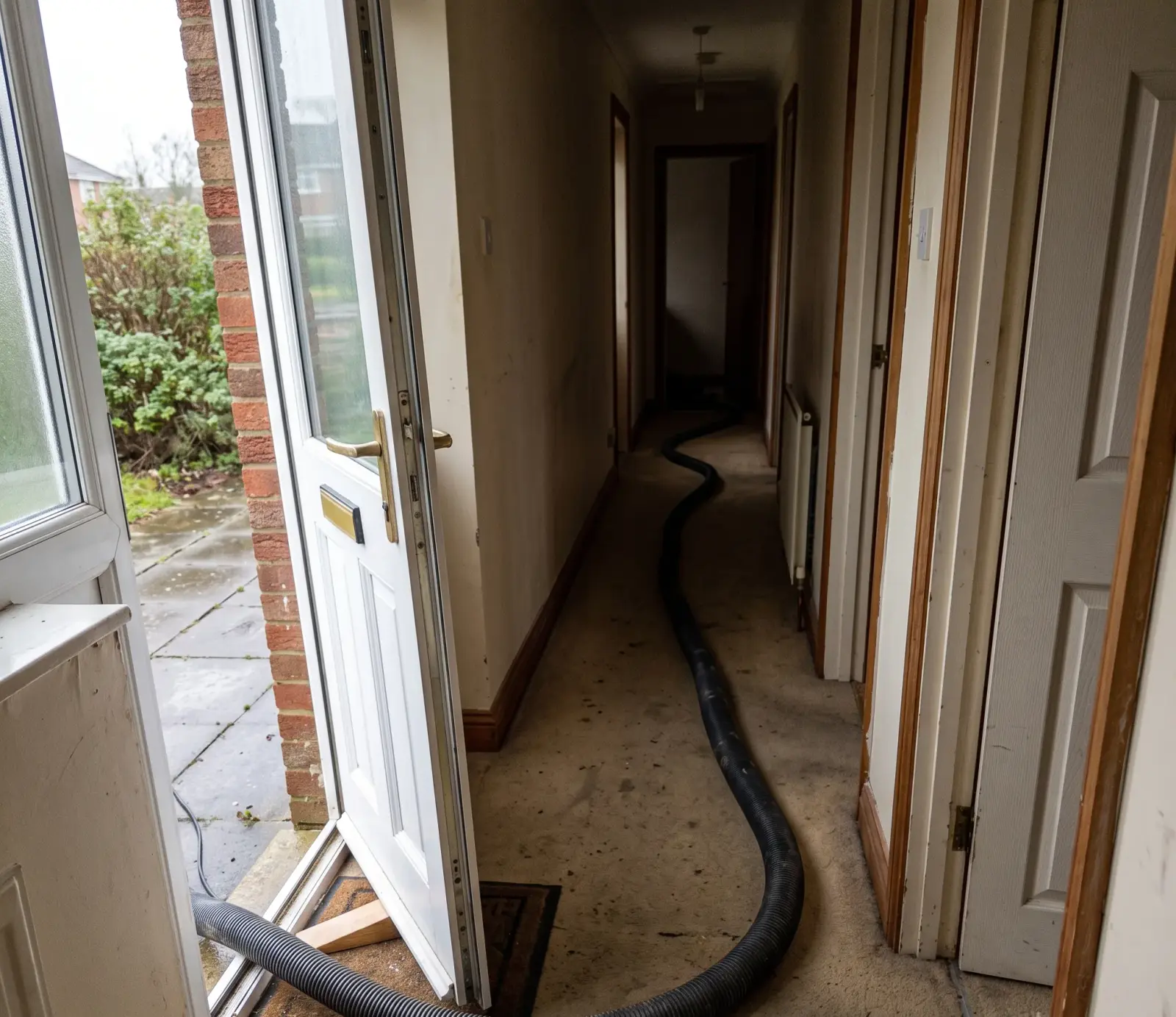
Emergency Response Time
Seasonal rain and changing water conditions can shape an extraction request, but only a provider can confirm current availability and give a Carmel arrival estimate.
Read article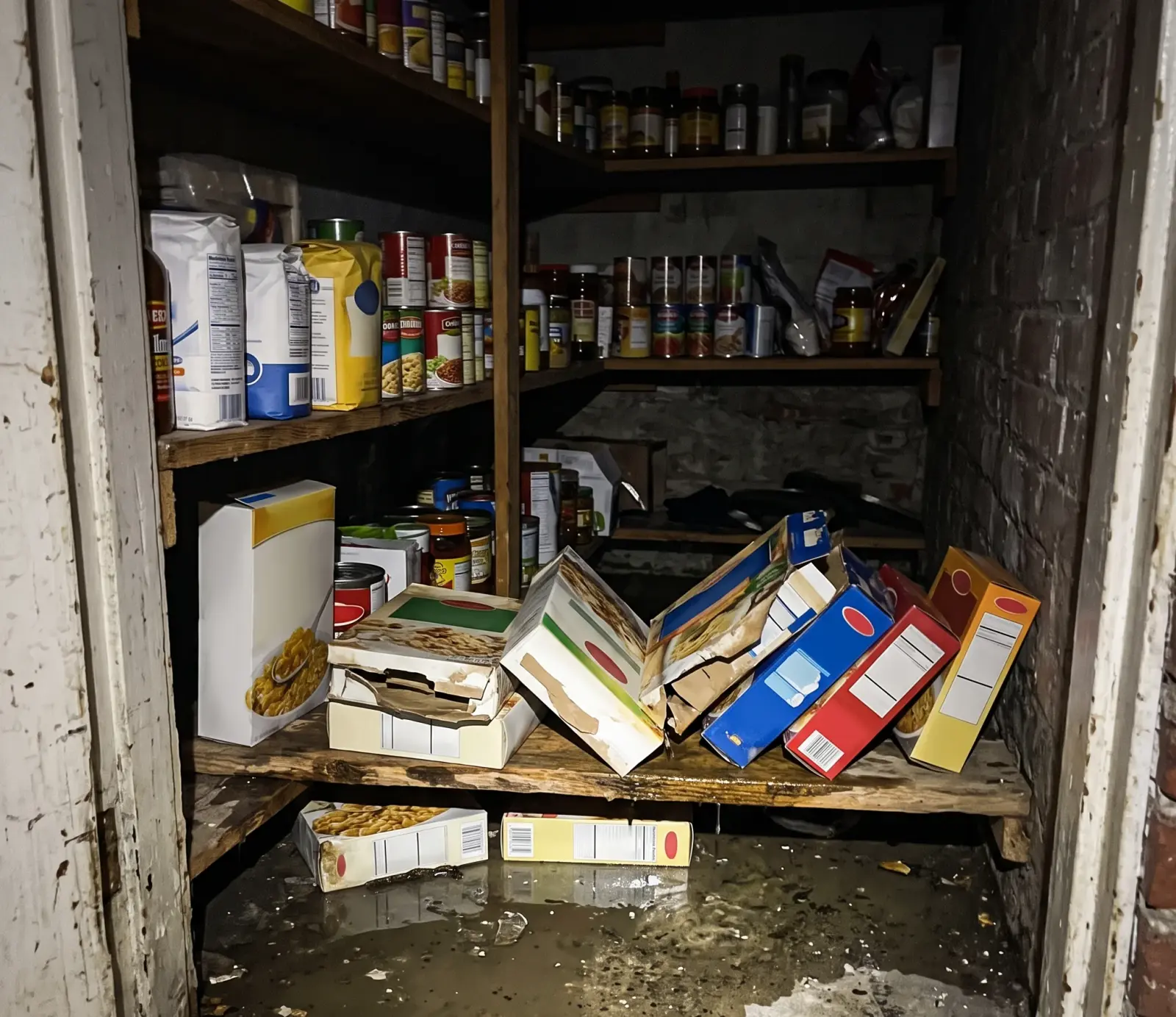
Check depth, spread, and source before pumping accessible basement water in Carmel.
A continuing inflow can affect the removal plan after water has collected. Those are citywide conditions, not a diagnosis of a particular home. A homeowner near Cool Creek or the White River still needs an address-level check to understand the property’s exposure. After water appears downstairs, the immediate question is how far it reached and whether anyone can safely enter to begin basement water removal.
The pros we connect you with can first judge whether the basement is safe to approach, then map the water’s depth, spread, and likely source before selecting equipment. A home near the Design District may have a different stairway, landing, and equipment route from one elsewhere in Carmel; those details affect the work and its duration. The estimate should identify the areas included and any access limits. If water keeps entering during the assessment, that changes what can be pumped and when the work can proceed.
Groundwater pressure can push moisture through small openings in a basement foundation.
Use residential emergency water extraction when the affected building is where a household lives, and commercial emergency water extraction when responsibility falls to a commercial or leased property.
A waterline on a furnace base, storage bin, or stair riser can help show how high the pool has reached, even where the floor is hidden. From a dry position, the owner can note those marks and whether separate parts of the basement appear affected. Around Carmel’s Monon Greenway, homes and lots differ, so a visible mark at one property says nothing about another. Mapping the affected sections helps the provider estimate the accessible water and plan where to begin extraction.
A breaker panel, outlet, or appliance at water level is a reason to keep clear of the basement. Water can make electrical equipment dangerous, and a dry-looking stair landing does not establish that the lower room is safe. Uncertain structural conditions can make entry unsafe even if no electrical equipment is visible. If the hazard is uncertain, the assessment has to start from outside the affected area; pumping waits until safe access is established.
A pool that grows between observations or reappears after removal suggests water is still arriving. From a safe place, the owner can record whether the level is rising and share any known leak or backup with the provider. An active source can affect the pumping plan and may need attention under a separate scope. Extraction addresses standing water; it does not fix what brought water into the basement.
The owner shares the address, when water appeared, and any known source so the provider can plan the site assessment.
The provider evaluates electrical and structural hazards from a safe position; entry and equipment use wait until access is judged safe.
Depth, spread, and equipment access determine whether a pump or wet vacuum can remove the reachable pool.
After extraction, the owner can arrange a separate check for remaining moisture and any needed drying equipment.
Basement stairs can narrow the path between equipment and the affected floor, while stored belongings may block access to parts of the room. In Carmel, homes vary, so the owner’s layout and the water’s reach shape how much accessible standing water can be removed. A clear route helps the pros we connect you with reach the work area; blocked sections can take longer to assess and may change the written scope. Water extraction is one part of addressing an intrusion, with remaining concerns handled separately.
Carmel’s floodplain program provides information for checking a property, but a Carmel ZIP code or a nearby waterway cannot establish a home’s floodplain status. The owner should use an address-level flood hazard check when that question matters. The White River and Cool Creek are local features, not proof that a specific basement is exposed. For the immediate assessment, report the service address and any known water entry; the provider needs property conditions, not a ZIP-based assumption.
Ask the pros we connect you with to put the extraction scope in writing: which basement areas are included, what equipment they expect to use, and what could change the estimate if water is still entering. If the water may be contaminated, tell them what is known before work starts; that may require a separate cleanup scope. Keep the written estimate and work record for your files. Coverage depends on the policy and the circumstances of the loss, so do not assume extraction will be reimbursed.
A Basement Water Extraction estimate in Carmel gives a cost starting point; near White River, ask the pros we connect you with to state the callout fee and included work in writing.
| Damp Spaces | Water Lifted Away | Further Drying Needs |
|---|---|---|
| Contained spill | Carmel room: reachable floor pooling removed from the open area | an estimated $700–$1,400 |
| Interior section | Pump collection of accessible pooling within the listed space | an estimated $805–$1,820 |
| Wider interior | Open-surface standing water cleared within the work area | an estimated $700–$1,400 |
| Building span | Reachable interior pooling removed from the specified area | an estimated $1,680–$5,600 |
A proposal for a home near Broad Ripple Park may include replacement materials with different expected durability. Those selections can move the total even after standing water is gone. Ask which materials are needed for the stated work and which are optional, then consult the full pricing guide.
A provider assesses hazards, water depth, spread, and the likely source before choosing equipment. A pump can move a large volume of standing water; a wet vacuum may suit accessible pools that are smaller or shallower. The route through the home and any continuing inflow also shape the plan. A visible electrical hazard can affect whether equipment is safe to use.
A basement can remain unsafe even when the visible water seems shallow. Even a familiar room can hide hazards below the waterline. Keep people and pets away, and arrange a professional assessment from a safe location. Share any known source and visible water depth; the provider can determine whether entry and equipment use are appropriate.
In Carmel, a homeowner should not enter a flooded basement until it is assessed as safe. From dry ground, note the waterline and any known source, then arrange an assessment. The pros we connect you with can check access and hazards before extracting reachable standing water with pumping equipment. Homes near Monon Greenway, Carmel City Center, or Cool Creek still need individual checks; local surroundings do not establish basement conditions. Floodwater can conceal hazards below its surface, so the visible waterline does not show every basement risk.
Mention any breaker panel, outlet, or appliance that appears to be at water level. A clear route helps determine what equipment can get downstairs and which areas are reachable. From outside the flooded space, note any safety concern and known source. Do not move through standing water to prepare the route.
The amount and depth of water, floor access, and route for equipment guide the choice. A pump is suited to shifting a larger pool; a wet vacuum can collect accessible water in a more limited area. The provider checks the site before settling on a method. If water is still coming in, that condition can affect the approach and the work included.
Share the service address, when water was noticed, the depth visible from a safe position, and whether the level has changed. Name any known source and describe stairs, blocked landings, or other access limits. These details help the provider plan an assessment without sending the owner into the flooded area. Do not guess at floodplain status from the ZIP code.
Use $700–$1,400 for this work as the planning estimate for basement water extraction. The provider we connect you with settles the amount after considering how much water remains, materials affected, entry constraints, and the agreed removal limits.
Hidden dampness can remain after a room looks clear, shaping the next assessment steps.
Seasonal rain and changing water conditions can shape an extraction request, but only a provider can confirm current availability and give a Carmel arrival estimate.
Read article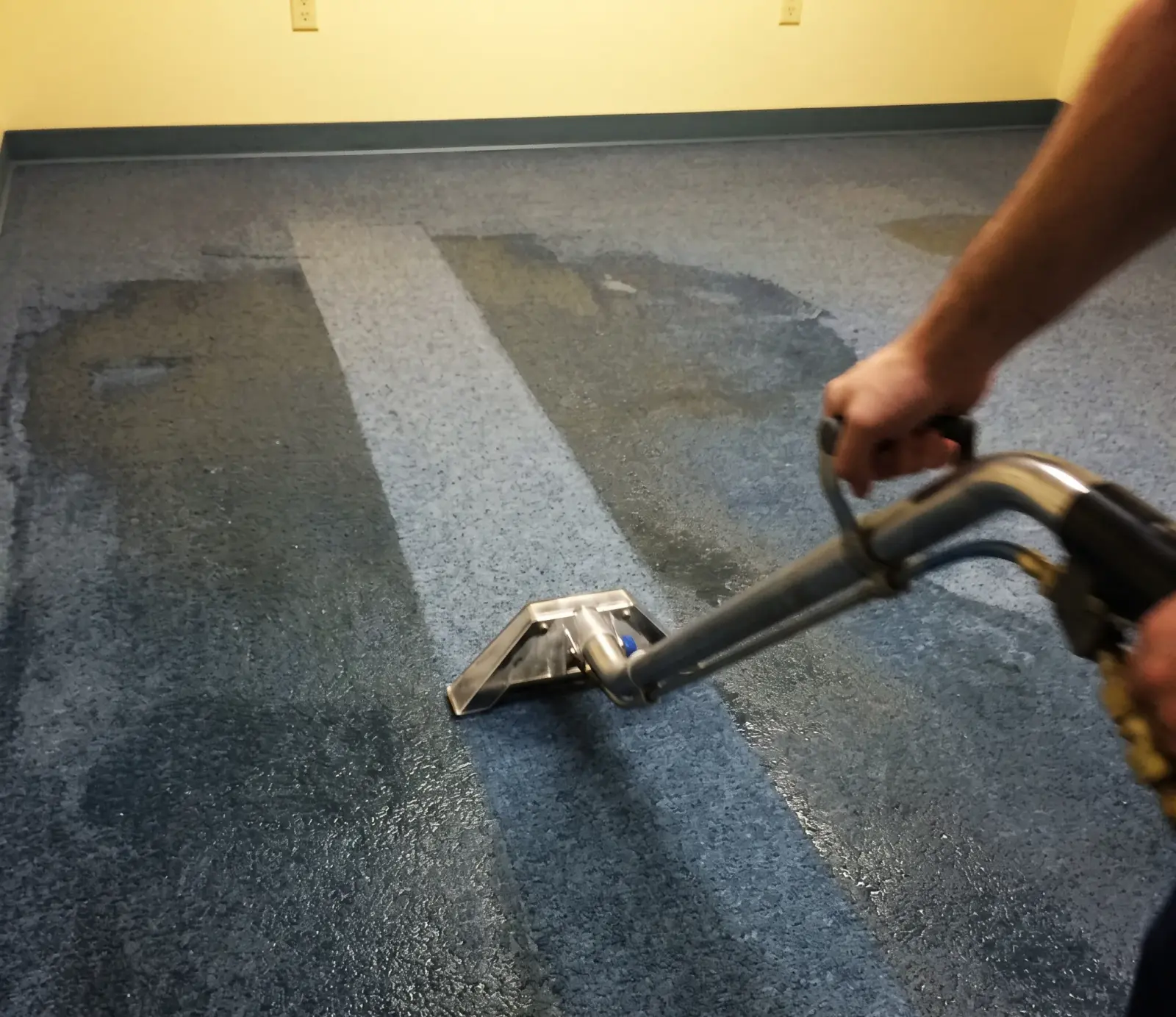
How long does emergency water extraction take in Carmel? See how water volume, room layout, surfaces, and access shape the duration estimate.
Read article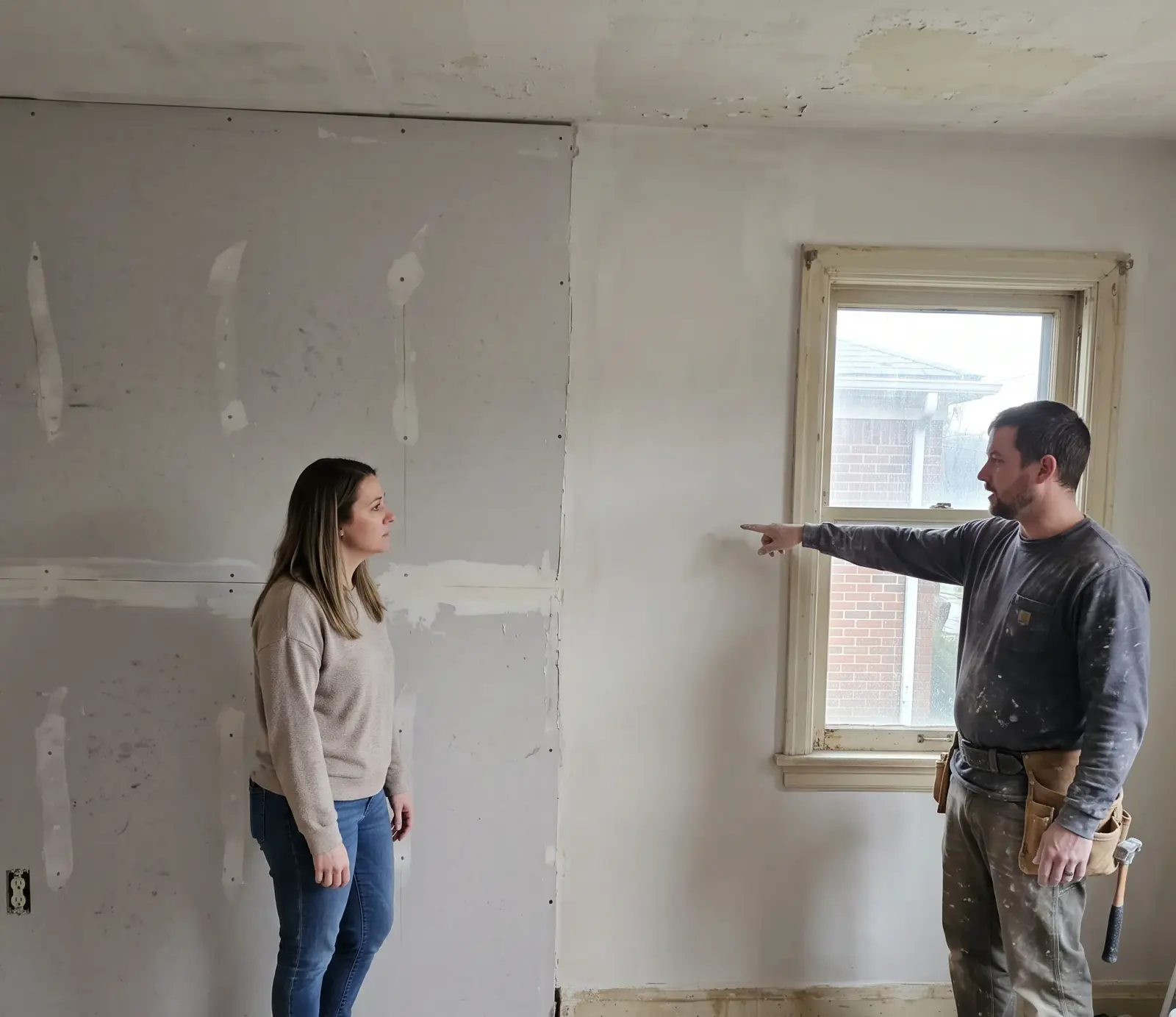
A Carmel homeowner can use visible room conditions to decide when a wet route should stay closed and what observations to share for a professional assessment.
Read articleAfter storm water enters a Carmel property, proximity to the White River or Cool Creek alone cannot establish its flood status; the address needs a property-level check. A request from near Midtown Plaza still needs details about the affected rooms and whether water appears to have come from plumbing, outside runoff, or a drain, since these can lead to different next work. Ask the pros we connect you with for a written extraction scope and an explanation of any separate work that may follow.
Call (317) 799-9832