What Extraction Work Includes
Carmel’s Monon Greenway runs through the city, with the Arts & Design District and Carmel City Center serving as nearby reference points. Those landmarks help describe an address, but they do not establish why a fixture connector failed; the leak begins at the plumbing connection, and the affected rooms determine the extraction area.
The Monon Greenway and nearby waterways such as White River and Cool Creek are part of Carmel's setting, but they do not explain water from a fixture connection. A supply leak is an indoor plumbing event. The wet area and the home's materials determine what extraction and follow-up assessment involve.
Emergency Water Extraction inquiries come from across Carmel and Hamilton, where nearby service boundaries may not follow the address a caller expects. Share the property’s street address so the pros we connect you with can check whether they serve that location.
Handling Potentially Contaminated Water
- ORIGIN
- Extraction equipment is chosen for the pool's depth and the area it covers; shallow surface water and deeper pooling call for different handling.
- PICKUP
- A supply shutoff stops that source. It does not remove water already spread across tile or adjacent flooring.
- FLOORING
- A damp threshold or floor edge can point to travel beyond the fixture area, so note visible boundaries from a dry spot.
- ELECTRICAL
- Water near a plugged-in appliance, outlet, or wiring can make the area unsafe to enter. Keep clear pending qualified guidance.
- ESTIMATE
- The removal record can describe which areas were addressed; photos and written details may help when discussing the loss with an insurer.
- EQUIPMENT USED
- A faucet or sink supply connection can leak in any season. Carmel's cold weather may matter for plumbing exposed to freezing conditions, but no season alone identifies the cause. Once the leak is stopped, the water already on the floor still needs assessment and removal.
- EQUIPMENT
- an estimated $250–$1,200
What Standing Water Removal Covers
Sink drain leak. Both problems can leave a wet floor near the same fixture, so the puddle alone may not reveal the source. A wet cabinet base can help trace where water escaped from the fixture. Avoid loosening any plumbing connection while the area is wet. A drain leak is more closely tied to water passing through the basin. If the leak has stopped, share whether the area became wet while the sink was idle or in use; don't restart it to test.
Choosing Tools for the Conditions
The pros we connect you with first confirm that the supply is no longer feeding water and identify the visible pool. They map the wet floor, nearby tile joints, and room transitions, then assess whether the area can be approached safely. This establishes where extraction should begin and what surfaces need attention.
They collect the accessible water using equipment suited to its depth and spread, then revisit the floor edges and adjoining surfaces for signs of travel. A written work summary can identify the areas addressed. Moisture assessment, drying, and repair of the failed supply connection are separate steps when needed.
A one-visit job is plausible when all pooled water is reachable and no damp materials need attention afterward. If checks reveal moisture in floors or walls, a longer drying plan may follow. Ask the pros we connect you with to describe the removal boundary and next steps in writing.
VISIBLE WATER AND MATERIAL MOISTURE REQUIRE DIFFERENT CHECKS
| Affected Materials |
Pooled Water |
|---|
| Basement water awaiting pump-out | Pump or vacuum use |
| A second pool forms after removal | Water condition |
| Water reaching rooms on separate sides | Pooled water extracted; dampness assessed |
Gather Details About the Water Source
After the supply is shut off, move only light belongings that are safe to reach and leave heavy or wet stored items in place. Note whether water crossed a floor transition or reached another room, then share those locations with the pros we connect you with. Do not pull up tile or open walls to trace the spread.
Deciding When an Area Is Unsafe
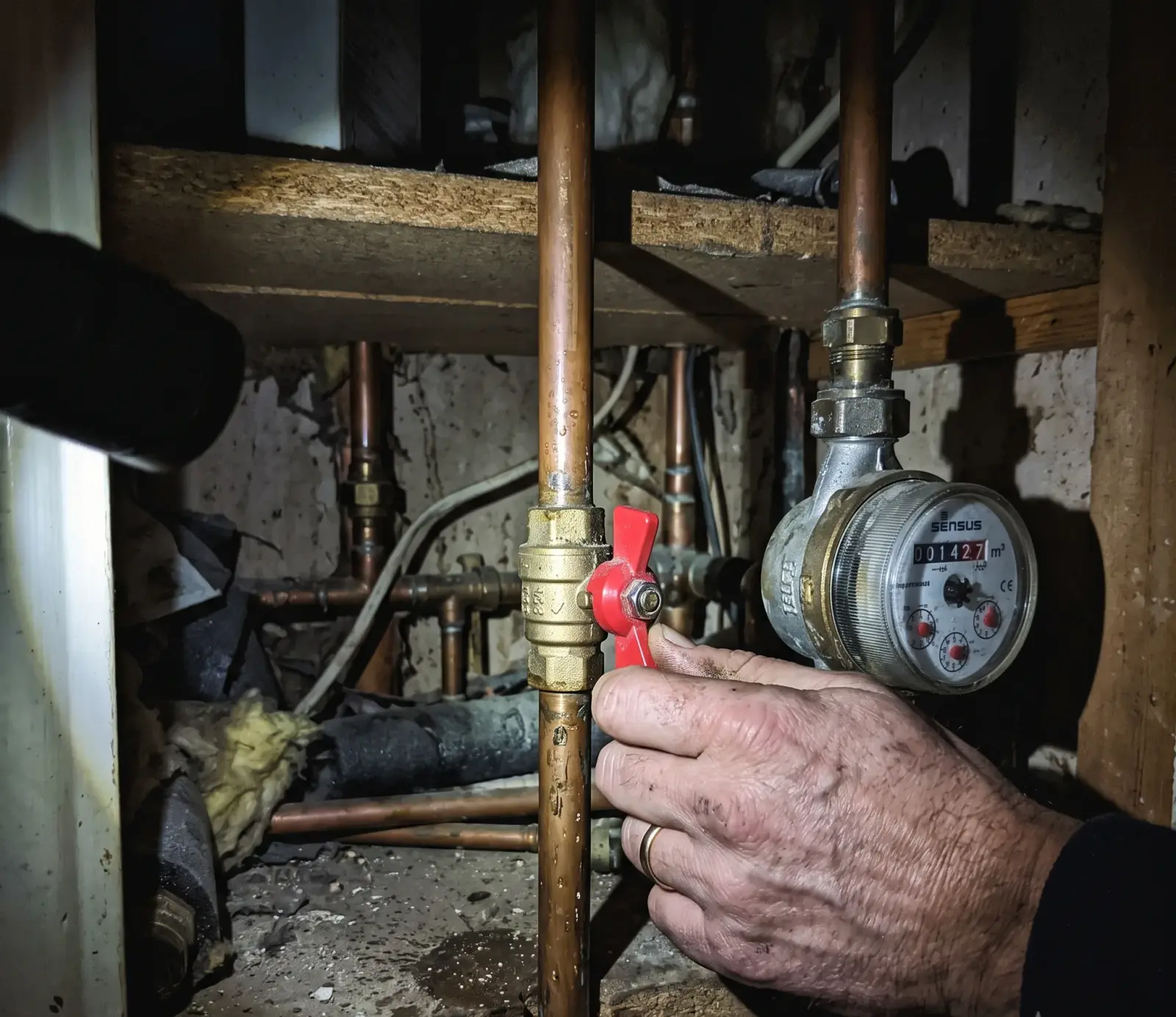
Water from a failed sink supply line can leave tile slick and spread beyond the spot first noticed. A homeowner should keep foot traffic off the wet floor and check from a dry position whether the fixture’s accessible shutoff has stopped the flow. If the water reached powered equipment, avoid that area. The licensed pros we connect you with can check whether the sink line is still leaking.
See How Pumps Lift Water From Floors
The condition of affected materials can help determine how they should be handled.In Carmel, this scope guide covers removing pooled water from affected rooms; moisture checks and drying, leak repair, sewage cleanup, mold remediation, and rebuilding fall outside that work. Those added tasks change the estimate. Ask the pros we connect you with to state any visit charge and list the extraction work in a written estimate before scheduling.For a fuller view of the variables and ranges, open the pricing guide.