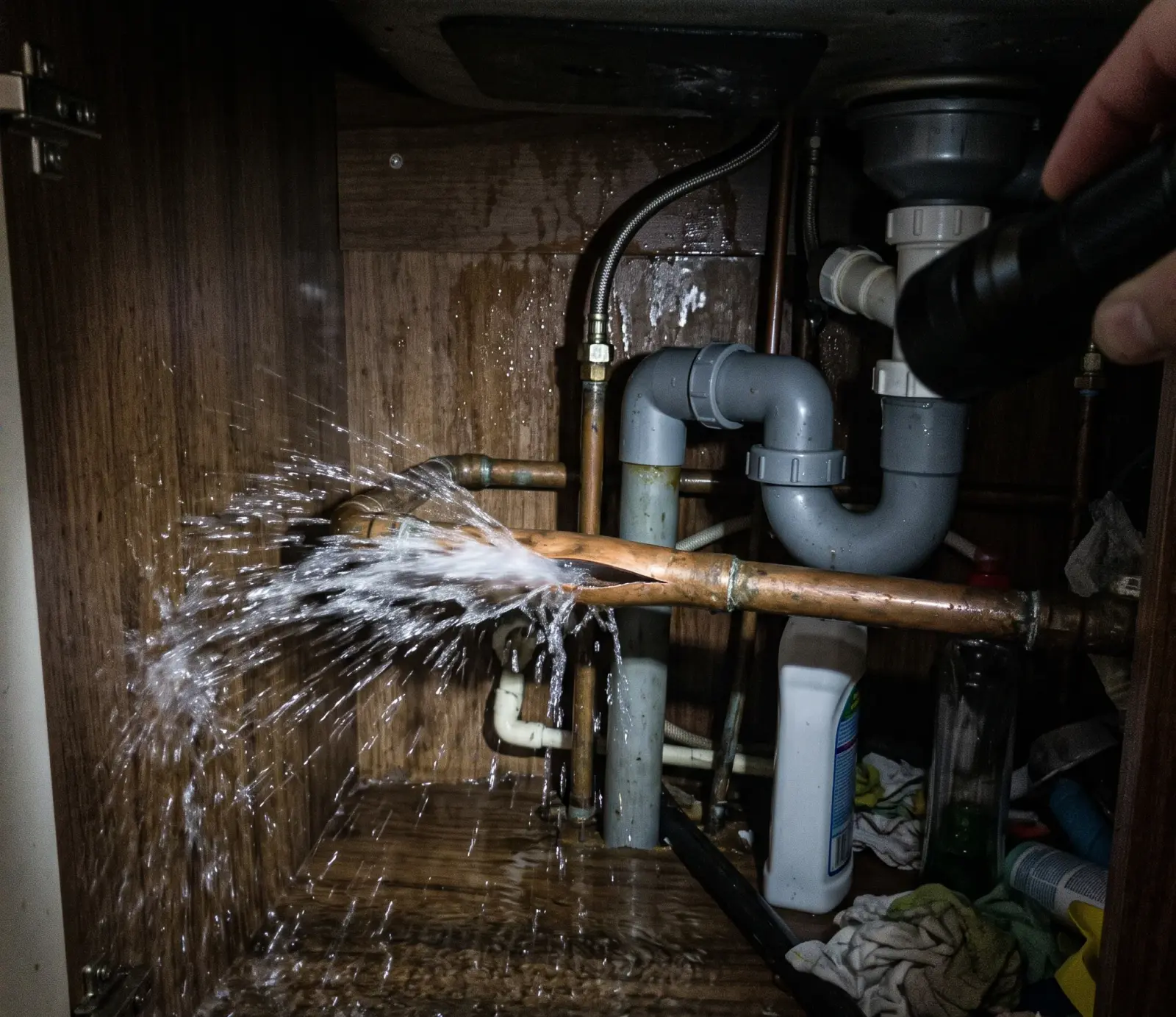
Why Fast Water Removal Matters
Carmel Engineering identifies high groundwater and poorly draining soils as conditions associated with basement flooding. That local context can matter when water is found below grade, but it does not establish why a pipe failed or the conditions at a particular home.
A burst pipe can wet interior materials even when its source is out of sight. Those landmarks help place the service area; proximity to a waterway does not establish flood exposure or explain a burst pipe at an individual address.
Emergency Water Extraction inquiries come from across Carmel and Hamilton, where nearby service boundaries may not follow the address a caller expects. Share the property’s street address so the pros we connect you with can check whether they serve that location.
Handling Potentially Contaminated Water
- Pipe Area
- Water may travel away from the break before it becomes visible on a surface.
- Water Spread
- A wet doorway or rug outside the pipe room can mark the spill's route into adjoining space.
- Safe Access
- Water marks along trim can help show how far a leak reached.
- Surface Removal
- If water remains after the shutoff, report it before removal is planned; the source may still be active.
- Moisture Check
- A written work record can identify the locations assessed and the surfaces included in water removal.
- EQUIPMENT USED
- A burst pipe can leave indoor water in any season. Carmel's groundwater and soil conditions are relevant to basement water concerns, but they do not show why a pipe failed or determine exposure at a specific property.
- WATER CATEGORY
- an estimated $250–$1,300
What Standing Water Removal Covers
Plumbing repair stops the leak at the pipe; extraction addresses water already released indoors. They may follow the same incident, but they describe different work and may appear as separate tasks in the estimate. Check the estimate or work record for the listed tasks. A pipe repair should describe work on the failed line or its connection; extraction should describe removal of water already inside. Removing standing water does not by itself show whether the leak has been repaired.
The Sequence of Emergency Water Removal
The provider confirms the leak has stopped and considers whether the route into the room is safe. They note the visible water boundary, including any threshold crossings or cabinet edges, then plan removal around the affected surfaces. The mapped area helps distinguish the pipe room from adjoining spaces that may also need attention.
Extraction clears pooled water from exposed surfaces before less visible dampness is assessed. Those findings show whether materials remain damp and whether drying equipment may be needed. The work record can state which areas were assessed and what removal covered.
When the intrusion has stopped and water is limited to an accessible area, extraction may be completed in one appointment. If water is still entering, or materials remain damp afterward, clarify who will address the source and whether separate drying visits are included in the written scope.
THE BOUNDARY BETWEEN CLEARING WATER AND DRYING A STRUCTURE
| Moisture Review |
Area Safety |
|---|
| Water spread over indoor floors | Follow-up material drying |
| New pooling surfaces after the initial cleanup | Affected-area access |
| Wet flooring beyond the first affected room | Standing water removed; residual moisture addressed |
Gather Details About the Water Source
If the pipe's shutoff is reachable from a dry spot, close it. Move belongings only if they are in a dry area and can be reached without crossing water. Do not enter standing water to retrieve items or move appliances. Leave pipe repair and water removal to qualified help.
Deciding When an Area Is Unsafe
Water can conduct electricity when it reaches powered equipment, outlets, or wiring. A room may look passable while a low outlet or appliance is wet. A wet appliance may remain unsafe even after the surrounding floor starts to dry. If electrical safety is unclear, wait outside the wet area for qualified help before anyone enters.
See How Pumps Lift Water From Floors
The condition of affected materials can help determine how they should be handled.In Carmel, this scope guide covers removing pooled water from affected rooms; moisture checks and drying, leak repair, sewage cleanup, mold remediation, and rebuilding fall outside that work. Those added tasks change the estimate. Ask the pros we connect you with to state any visit charge and list the extraction work in a written estimate before scheduling.The pricing guide lays out the broader cost picture and what can shift it.