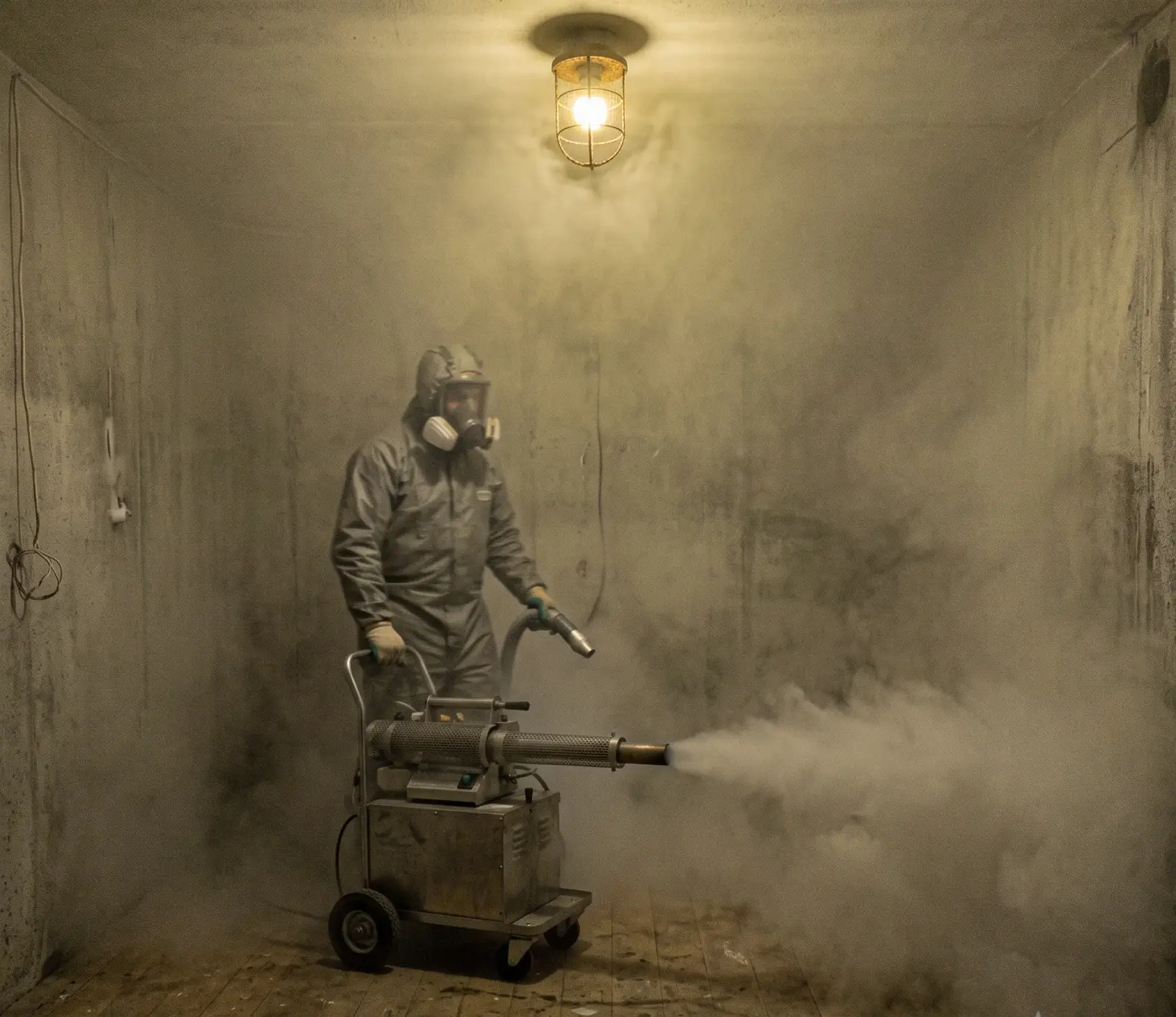
What Extraction Work Includes
Carmel includes suburban homes and newer residential development, so laundry layouts and adjoining floor materials vary. A home near Monon Greenway or around Midtown Plaza may have a contained laundry room or an opening onto another space; the address alone does not show how far a washer spill traveled.
Carmel engineering guidance discusses high water tables and poorly draining soils in relation to groundwater and basement conditions. Cool Creek is a local water feature, but neither that context nor a ZIP code establishes why a washer released water or whether a particular home has flood exposure.
Emergency Water Extraction inquiries come from across Carmel and Hamilton, where nearby service boundaries may not follow the address a caller expects. Share the property’s street address so the pros we connect you with can check whether they serve that location.
Handling Potentially Contaminated Water
- ORIGIN
- A wet trail that appears during filling may help identify when water begins escaping.
- REACH
- Spray marks on the wall behind the appliance can indicate a hose release under pressure.
- TILE
- Grout may stay darker than nearby joints after the tile surface looks clear.
- EDGES
- For a Carmel home near the Monon Greenway, Arts & Design District, or Midtown Plaza, readings in tile and nearby materials can help distinguish pooled water from dampness that may need drying.
- AFTERWARD
- Collected standing water does not establish that grout, flooring, or wall materials have dried.
- CLAIM RECORDS
- Carmel’s indoor laundry spills can happen year-round, independent of outdoor weather. In a cold utility area, a stiff hose may be worth noting during an assessment, but season alone does not identify a failure. The wet pattern and condition of the hose connection provide more useful clues.
- WATER CATEGORY
- an estimated $250–$1,200
What Standing Water Removal Covers
Lingering moisture after a washer spill. Once pooled water is removed, tile or wall material can still hold dampness. That calls for moisture assessment and possible drying; extraction addresses water still gathered on the floor. Compare the water’s residue and direction of travel with the washer’s position. A spill pattern that begins at the appliance and runs outward supports a washer source; water concentrated around another floor opening calls for a different source assessment. The visible pattern guides diagnosis but does not identify concealed moisture.
Safe Access Sets the Starting Point
The pros we connect you with first assess the spill pattern, the washer’s position, and whether the water source remains active. They distinguish a front-side overflow pattern from spray or a concentrated mark behind the appliance, then outline the visible wet boundary, including any adjoining floor that needs attention.
They collect standing water from the assessed floor area with extraction equipment suited to the conditions. After the pool is gone, moisture checks can help distinguish a cleared surface from damp grout, flooring, or wall materials. They can note whether nearby stored items were reached by water.
When the intrusion has stopped and water is limited to an accessible area, extraction may be completed in one appointment. If water is still entering, or materials remain damp afterward, clarify who will address the source and whether separate drying visits are included in the written scope.
WHAT WATER PICKUP SETTLES BEFORE DRYING IS CONSIDERED
| Affected Materials |
Pooled Water |
|---|
| Room pooling after a leak | Electrical hazard caution |
| Water gathers again after the first pass | Contents and materials |
| Distinct areas affected at once | Water cleared; material drying starts |
Keep Foot Traffic to Dry Areas
From a dry spot, note the washer display, cycle status, and any visible leak point; photograph marks before they fade. Close a readily reachable supply valve only if the route and valve are dry and safe to approach. Avoid restarting the washer until the source of the water is understood.
Deciding When an Area Is Unsafe
Laundry water can make the room unsafe if it reaches the washer plug, an outlet, or nearby wiring. A homeowner should not step into water to reach the machine or a valve when electrical safety is unclear. Water may spread under the washer, leaving damp flooring beyond the visible pool. A dark display or stopped cycle does not show whether the floor or electrical equipment is safe.
Check Whether Extraction Includes Source Repair
The estimate can change with the quantity collected, rooms involved, and setup needed; ask the pros we connect you with to itemize water-removal work in writing.In Carmel, this scope guide covers removing pooled water from affected rooms; moisture checks and drying, leak repair, sewage cleanup, mold remediation, and rebuilding fall outside that work. Those added tasks change the estimate. Ask the pros we connect you with to state any visit charge and list the extraction work in a written estimate before scheduling.See the pricing guide for the complete range and details behind a final scope.