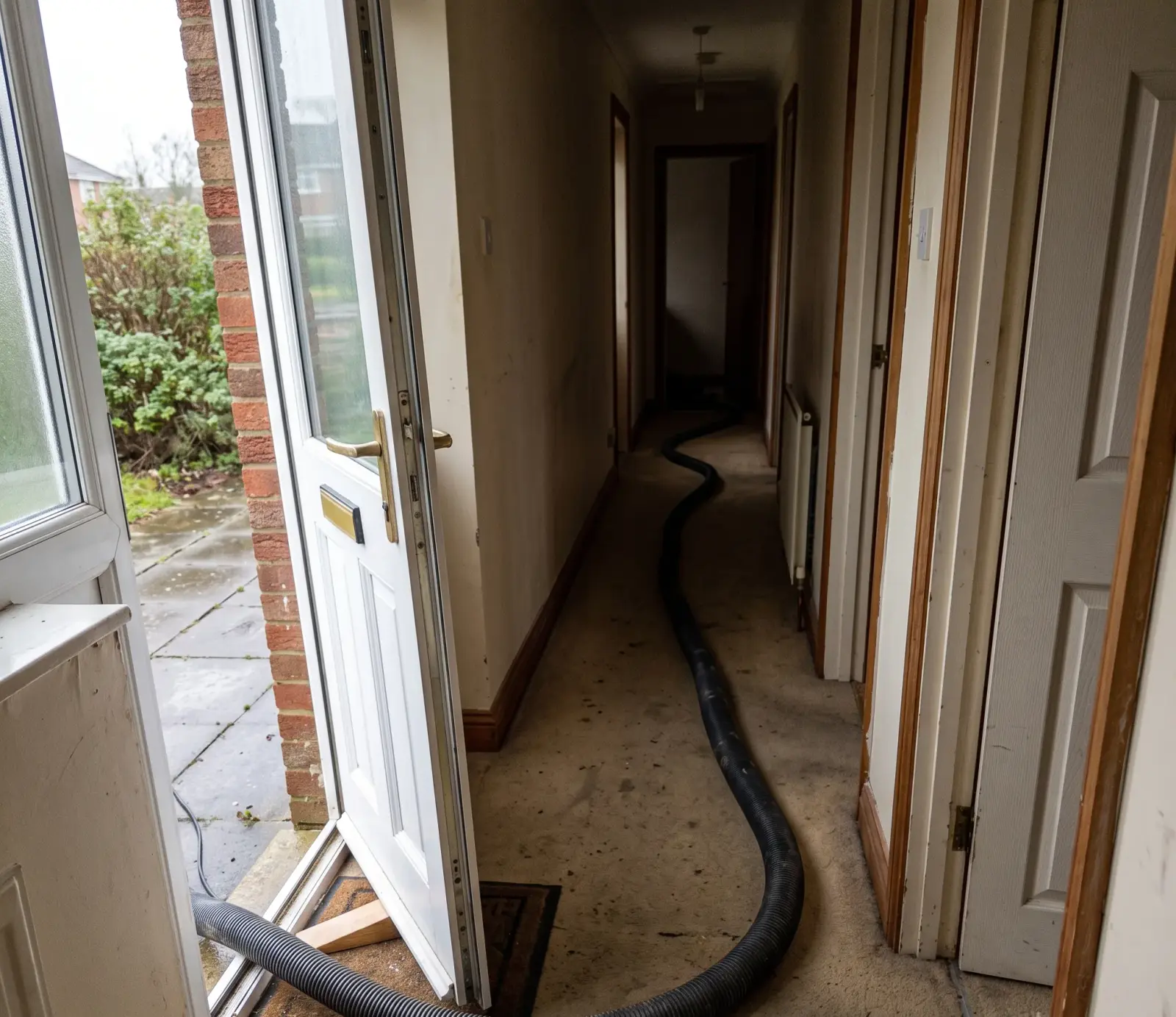
Emergency Response Time
Seasonal rain and changing water conditions can shape an extraction request, but only a provider can confirm current availability and give a Carmel arrival estimate.
Read article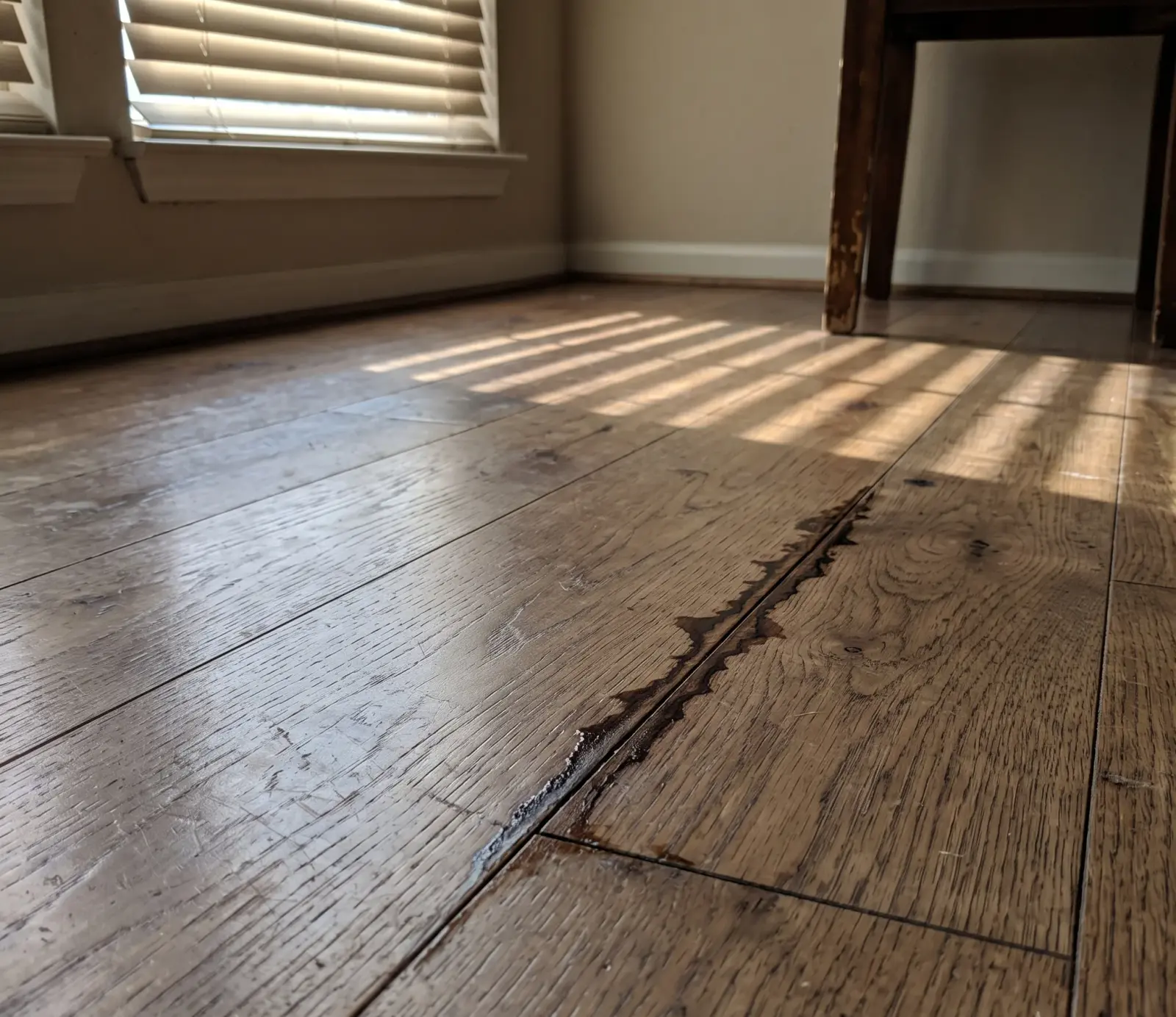
Carmel hardwood water pickup guided by board type and visible pooling
A homeowner in Carmel may find water on the hardwood after a storm, a plumbing failure, or another intrusion; the visible pool alone does not identify its source or extent. Carmel’s engineering guidance notes that groundwater and high water tables can contribute to basement water intrusion, but that does not establish conditions at a particular address. The Monon Greenway, White River, and Cool Creek are local reference points, not evidence of a home’s flood exposure. The floor’s construction and the water’s depth help define the extraction work.
For a Carmel estimate, the pros we connect you with can first identify whether the floor is solid or engineered, then note pooled water, affected rooms, and safe access for equipment. Those checks clarify whether a wet vacuum or pump suits the surface conditions and how much flooring is in scope. Room transitions, furniture, and the route from the entry can add handling time. The owner can describe what is visible and ask for a written scope; moisture assessment follows surface removal when needed.
For Carmel and Westfield, Noblesville and Fishers, a landmark such as Fashion Mall cannot establish what happened indoors; Hardwood Floor Water Extraction planning starts with the affected rooms and surfaces at that address.
The residence guide is at residential emergency water extraction; commercial emergency water extraction outlines extraction information for someone overseeing a rental unit or business property.
Water sitting in the joints between boards or gathered at a room’s low point gives the pro a clearer measure of the surface work than a damp-looking finish alone. In Carmel, note whether the pool is shallow or deep and whether it spans one area or several. Depth affects equipment choice, while connected rooms can expand the removal area. A homeowner’s description helps frame the estimate, but the pro should assess the floor before settling the scope.
A board edge that has lifted, a seam that looks darker than its neighbors, or a finish that has turned cloudy suggests the water may have affected more than the top coating. Those changes do not measure moisture inside the wood. In Carmel, point out each altered section before extraction begins so the pro can record its condition and decide where moisture readings may clarify what remains after surface water is removed.
Water at a doorway, around a table leg, or along the edge of a rug can reveal how far the visible wet area reaches. Move lightweight items only if the route is safe, and tell the Carmel pro which furnishings or narrow passages limit access. That information helps establish which boards can be reached directly and whether the work area extends beyond the first room. A change in the wet area over time can help show whether water is still spreading.
The pro identifies the floor construction and records visible finish or board changes; this frames a suitable removal approach for the Carmel home.
They map pooled water and affected rooms, then check transitions and equipment access to define the removal area and estimate.
A wet vacuum or pump lifts accessible surface water; the pro chooses based on depth and the floor’s visible condition.
The licensed pros we connect you with can select equipment suited to the exposed flooring material.
Hardwood responds to water according to its construction, finish, and how long water contacts the boards. A smooth surface may appear clear while the seams or wood remain damp, so visible removal is only one part of the floor’s evaluation. In Carmel, describe what changed and where the water stood. The pro can document extraction, then assess whether the floor or nearby materials need a separate drying plan.
A sound Carmel work scope identifies the hardwood construction, the standing water to be removed, and the equipment proposed for the visible surface. A wet vacuum may suit some shallow pooling; a pump may be appropriate where water is deeper. The method should account for the finish and board condition rather than treating every floor alike. Ask the pro to note the areas included and provide written documentation of the removal work for your records.
Carmel maintains floodplain and stormwater information, but a nearby creek or a ZIP code cannot establish a particular home’s exposure. For water linked to flooding, address-level conditions need their own check. Before work, keep people away from unsafe standing water, especially where electrical equipment or wiring may be affected. Photos and notes about when water entered can help clarify what the cleanup needs to address. Source repair and rebuilding also fall outside floor extraction.
For Carmel projects near Midtown Plaza, Hardwood Floor Water Extraction figures are estimates; the pros we connect you with can confirm the visit charge and put removal boundaries in writing.
| Reach of Intrusion | Pooled Water Cleared | Drying Beyond Removal |
|---|---|---|
| Narrow reach | Open floor section included for accessible water pickup | an estimated $600–$2,200 |
| Defined section | Room entry and exposed floor: reachable standing water removed | an estimated $690–$2,860 |
| Linked zones | Visible floor water removed from the included space | an estimated $600–$2,200 |
| Property scale | Standing water collected from open flooring within the estimate | an estimated $1,440–$8,800 |
An estimate may change when the owner adds related work or chooses longer-lasting materials. Ask the pros we connect you with to list those choices separately, along with any source repair beyond water removal. A clear scope can also show whether drying and follow-up checks are part of the work.
The estimate can reflect the wet floor area, water depth, board construction, and how readily equipment can reach the rooms. A shallow pool in an open space differs from water across connected rooms or behind heavy furnishings. Mention whether floor coverings have shifted or lifted since they became wet.
The time depends on the volume of surface water, the number of affected rooms, and how easily equipment can reach the hardwood. Narrow transitions or furniture that cannot be moved can slow access. A Carmel homeowner can help the pro plan by describing the layout and clearing a safe route where possible. The visit can also clarify whether moisture assessment is needed after removal.
Describe the hardwood floor, how far the water spread, and whether it is a shallow surface layer or deeper pooling. That helps the pros we connect you with choose a wet vacuum or pump and focus removal on the affected area. Move loose rugs and items off the boards so they do not cover damp spots during inspection. Ask for moisture checks after extraction and clarify whether drying is a separate step. Share those conditions when requesting help.
Yes. Solid boards consist of wood throughout, while engineered flooring has a layered construction. That difference can affect how the surface responds and which removal approach is suitable. If the Carmel homeowner has flooring records or knows the product type, share that information with the pro. If not, the visible floor and its edges can help guide the initial assessment.
Give the pro the property location, rooms affected, approximate water depth, when the water was noticed, and whether it is still arriving. Describe the hardwood type if known, visible changes, and anything blocking equipment access. For a Carmel home, mention whether the water followed a storm or another known event, without assuming that the address’s flood status is established.
No. Wood floor water removal addresses standing water on accessible hardwood; it does not repair a leaking pipe, drain, or other source. If water is still entering, that source needs separate attention to prevent more contact with the boards. Tell the Carmel provider what is known about the intrusion so the extraction scope and any needed source repair can be handled as distinct work.
Use $600–$2,200 for this work as the planning estimate for hardwood floor water extraction. The provider we connect you with settles the amount after considering how much water remains, materials affected, entry constraints, and the agreed removal limits.
Equipment choices depend on how much pooled water is present and where it has settled.
Seasonal rain and changing water conditions can shape an extraction request, but only a provider can confirm current availability and give a Carmel arrival estimate.
Read article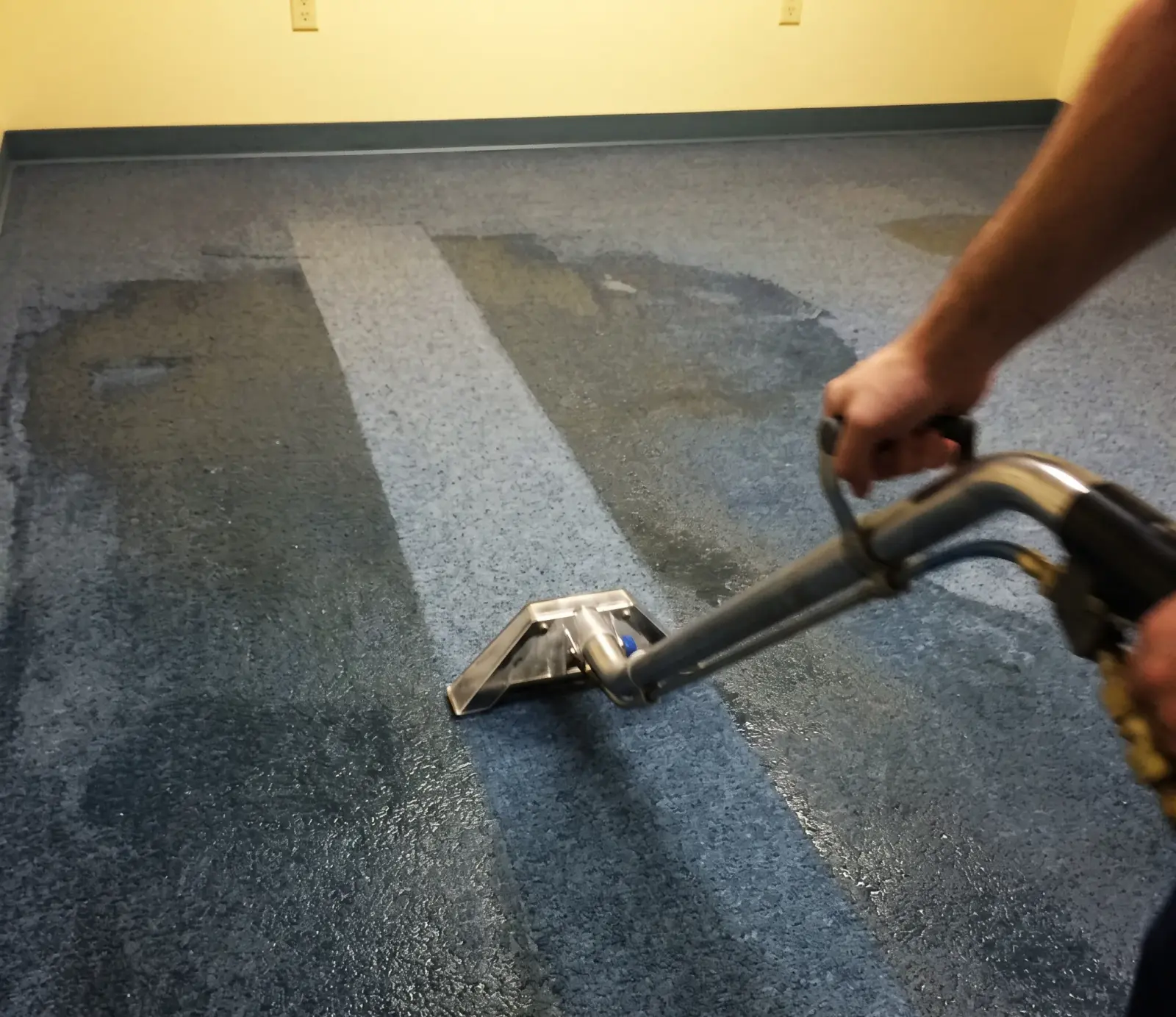
How long does emergency water extraction take in Carmel? See how water volume, room layout, surfaces, and access shape the duration estimate.
Read article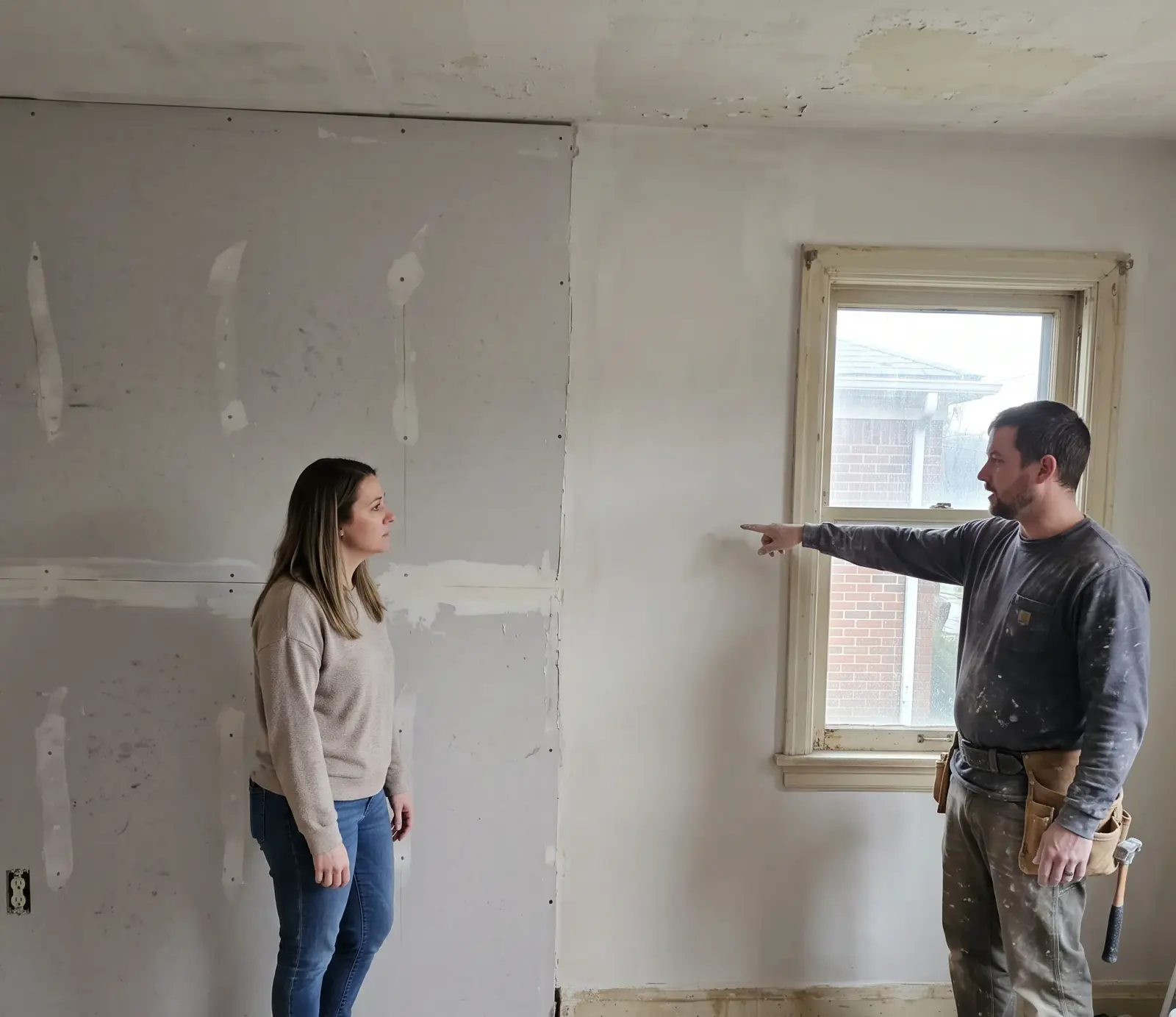
A Carmel homeowner can use visible room conditions to decide when a wet route should stay closed and what observations to share for a professional assessment.
Read articleAfter storm water enters a Carmel property, proximity to the White River or Cool Creek alone cannot establish its flood status; the address needs a property-level check. A request from near Midtown Plaza still needs details about the affected rooms and whether water appears to have come from plumbing, outside runoff, or a drain, since these can lead to different next work. Ask the pros we connect you with for a written extraction scope and an explanation of any separate work that may follow.
Call (317) 799-9832