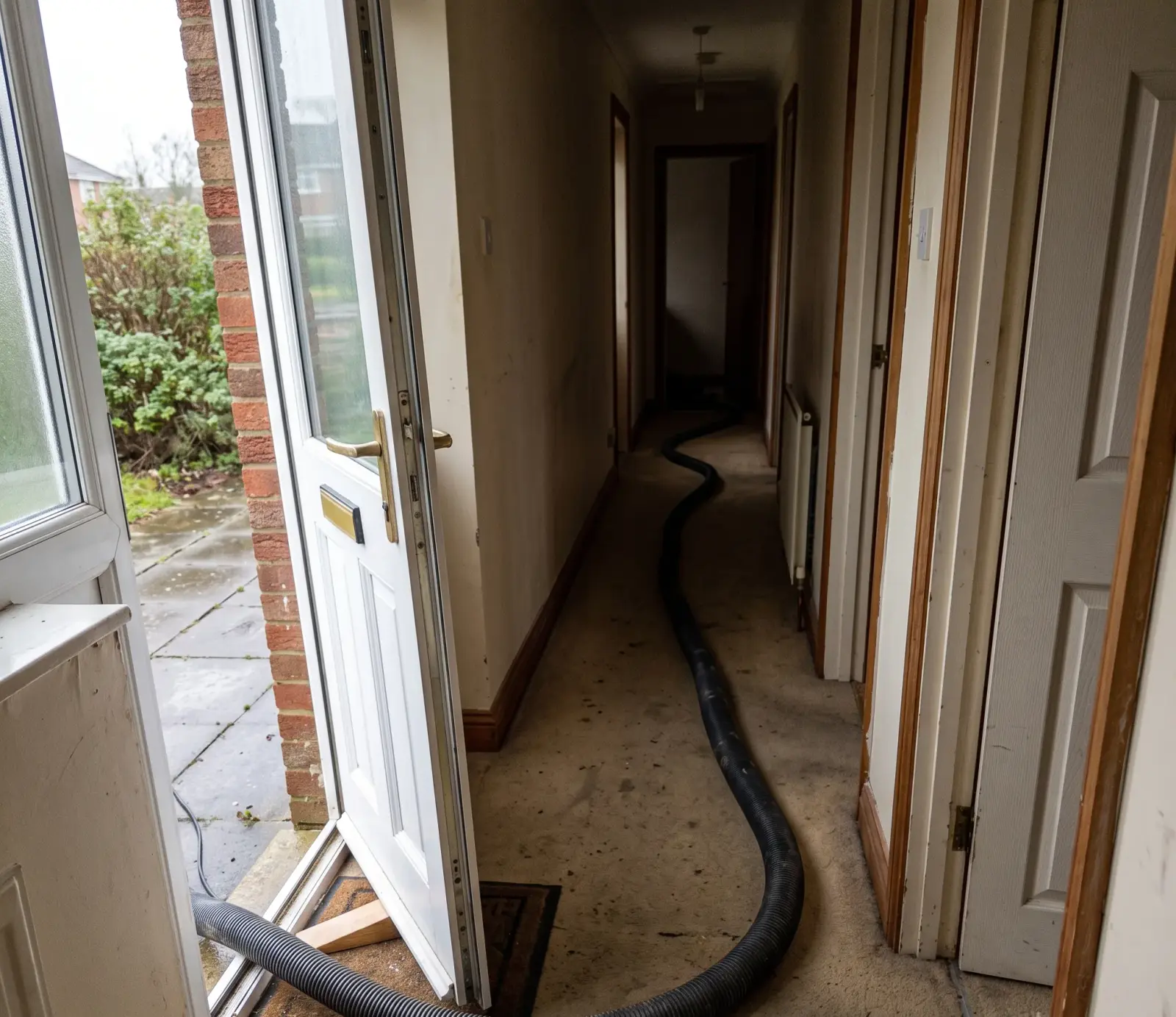
Emergency Response Time
Seasonal rain and changing water conditions can shape an extraction request, but only a provider can confirm current availability and give a Carmel arrival estimate.
Read article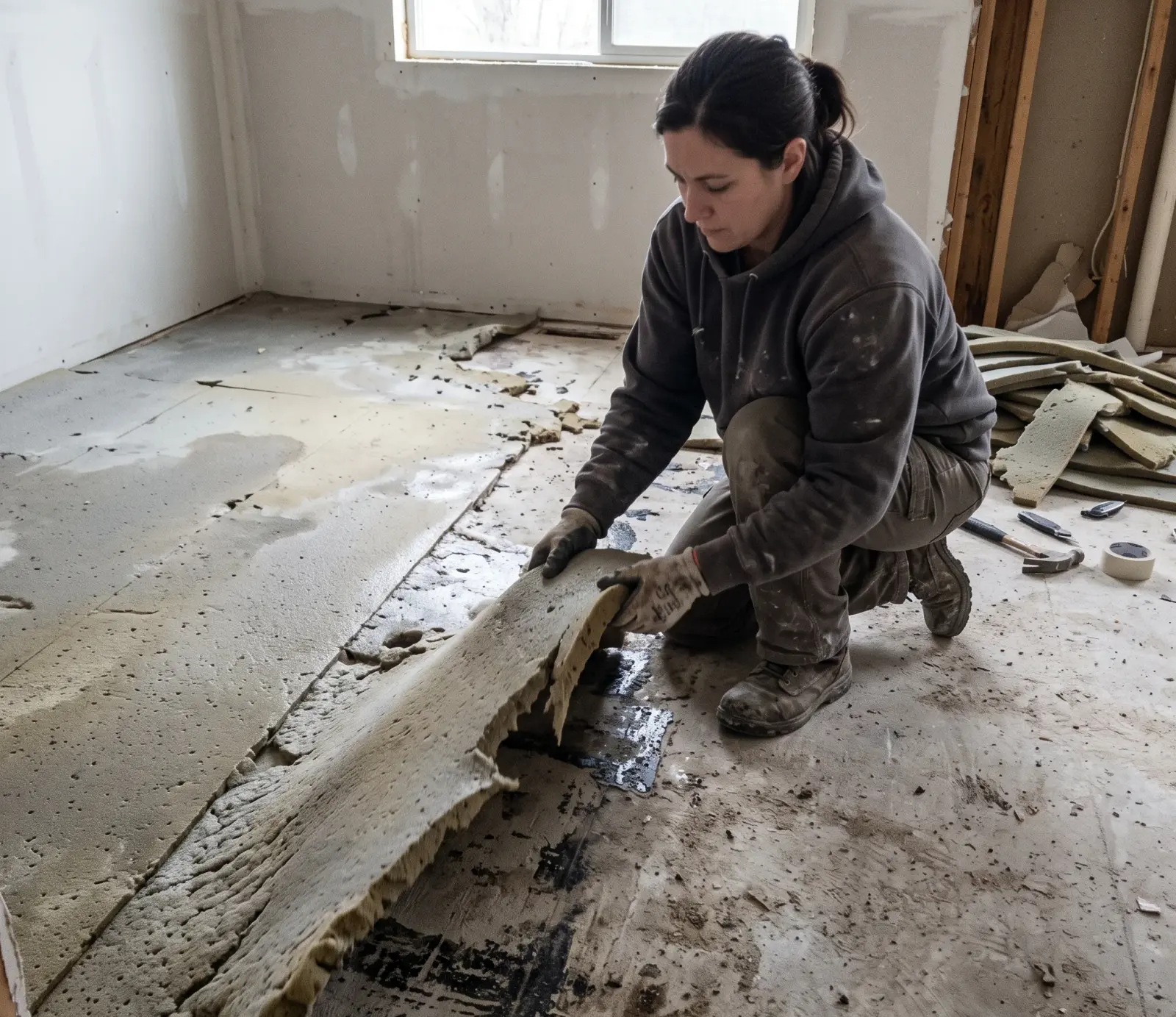
Check carpet reach, pad saturation and room access before extraction begins
After a night of hard rain, a Carmel homeowner may find a carpeted room wet at the doorway while the center still looks unchanged. The city identifies stormwater capacity and private drain connections among conditions that can affect drainage, but the cause of water at a particular home has to be checked there. Near Fashion Mall or elsewhere in Carmel, the first useful detail is where the wet edge stops and whether water is still entering. Keep people off the saturated carpet where practical; walking can push water farther into the pad.
Carpet water extraction in Carmel starts with tracing how far water traveled beneath the pile, then checking whether the carpet can be worked in place or needs access at an edge. Room access helps determine which parts of the carpet can be reached during extraction. The pros we connect you with use the affected area, room access, and furniture in the work scope; those conditions also influence how long removal takes. A homeowner can describe the rooms and spread when arranging an assessment.
Indianapolis is a regional reference, not a property finding: Carpet and Pad Water Extraction for homes in Carmel and Noblesville, Fishers and Westfield depends on where water entered and which areas it reached.
A homeowner can follow residential emergency water extraction for household service details; owners responsible for tenant or workplace space can use commercial emergency water extraction for that property's information.
A carpet that gives under a step and rises slowly afterward may have water trapped beneath its fibers. The pile can feel heavier than the surrounding floor, even if a towel has picked up moisture from the top. In Carmel, describe which part of the room feels different and whether the soft area reaches a wall or doorway. Those details help the pros we connect you with judge where to check for water below the carpet before choosing an extraction approach.
Look at the carpet edge where it meets a threshold. A lifted corner, a section no longer lying flat, or a damp strip beyond the visible wet area can mean water has moved beneath the surface. Do not pull the carpet up to check. A homeowner in Carmel can report which doorway or room boundary changed; the pros we connect you with can explain whether reaching the pad requires lifting an edge and what handling that involves.
A stale smell that remains after surface blotting can point to dampness held below the carpet fibers. So can a mark that becomes visible again as the top begins to dry. Neither clue measures the amount of water in the pad, and the carpet’s appearance alone cannot decide whether it can remain. In Carmel, note when the odor or mark appeared and which rooms are affected so the assessment can distinguish visible staining from areas that need closer attention.
They map the wet carpet boundary room by room and note furniture and entry limits, so the Carmel estimate reflects reachable work.
They remove accessible pooled water with suitable extraction equipment, then check whether water remains below the carpet surface.
The pros we connect you with remove accessible water from the carpet with suitable extraction equipment, then record whether the pad needs separate handling.
They record the carpeted areas treated and the removal work completed, giving the homeowner a written account to share with an insurer.
Carpet and pad form separate layers, and water can pass through the carpet backing into the cushion below. In Carmel, homes range from suburban properties to newer development, but the installation and condition of any particular room are not established by its location. That matters when deciding whether extraction can address the carpet in place or whether the pad needs separate handling. Furniture in the room can also be included when setting the extraction work scope.
Photographs of visible staining before extraction can help document the carpet’s condition at the start of the work. For a Carmel home, ask the written estimate to identify the carpeted rooms included, any proposed edge lifting, and whether pad handling is included. A clear scope also gives the homeowner a record of what was removed and what concerns still need follow-up.
If stormwater is part of the loss, Carmel maintains floodplain information, but a town or ZIP label does not determine a particular address’s status. Keep that property question separate from the carpet work: the wet area, carpet access, and condition of the pad guide extraction. When arranging a visit, provide the street address first; a familiar reference such as Fall Creek can help clarify location if needed, without standing in for an address-level check.
Job details shape each carpet and pad water extraction estimate for Carmel; have the pros we connect you with confirm the call fee and record what water removal includes.
| Water-Touched Areas | Extraction Stage | Materials Still Damp |
|---|---|---|
| Isolated patch | Monon Greenway vicinity: pooled water cleared from reachable flooring | an estimated $400–$2,000 |
| Enclosed zone | Accessible water gathered from the included interior floor section | an estimated $460–$2,600 |
| Adjacent spaces | Reachable pooling collected across the defined room footprint | an estimated $400–$2,000 |
| Building extent | Accessible floor water removal across the included section | an estimated $960–$8,000 |
A proposal for a home near Broad Ripple Park may include replacement materials with different expected durability. Those selections can move the total even after standing water is gone. Ask which materials are needed for the stated work and which are optional, then consult the full pricing guide.
The pros we connect you with first locate the wet boundary and identify where pooled water is accessible. Water can spread beneath carpet beyond the area where it first appears on the surface. If the pad is holding water below, an edge may need to be lifted to reach it. In Carmel, the rooms affected and available access help define the work.
A springy, heavy section, an edge that has lifted, or a damp smell after blotting can suggest water has gone beneath the carpet fibers. These clues do not show how much the pad holds. In Carmel, tell the pros we connect you with which spots feel different and how far the water appears to have traveled. Leave the carpet in place so they can assess the edge and explain the next step.
It depends on the water involved, how long it sat, and the condition of both carpet and pad. The pros we connect you with can inspect an accessible edge and explain whether lifting is needed to reach the cushion layer. Carpet pad extraction may be possible where equipment can reach the water, but inspection is needed before anyone can say what material can remain. Describe the source and timing as accurately as possible.
The work scope can grow when water has crossed into more rooms, furniture blocks access, or a carpet edge must be handled to reach the pad. The estimate should name the affected areas and explain any proposed lifting or pad extraction. For a Carmel home, giving a room-by-room account and noting tight entry paths can help the pros we connect you with describe the work before it starts. No fixed amount applies to every layout.
Extraction draws out reachable standing water, but carpet and padding can still hold moisture afterward. Moisture near carpet edges can also reach tack strips and the lower wall, so those areas may need inspection. In Carmel, ask the pros we connect you with to describe the removal work completed and explain what follow-up is proposed for the carpeted rooms. The condition of the pile and pad, rather than a dry-looking surface alone, guides those next decisions.
In Carmel, soaked carpet can let water through its pile into the pad, leaving hidden water after the surface appears less wet. The pros we connect you with can inspect seams and edges, then use a wet vacuum or pump where carpeted areas are accessible. Water can also travel beneath carpet to nearby flooring, so a dry-looking border may not show where moisture has spread. Extraction removes water; remaining dampness is checked and dried separately.
Carpet and pad water extraction is estimated at $400–$2,000 for this work, subject to inspection. The connected provider confirms the amount after checking the quantity to extract, what got wet, how the area can be reached, and work limits.
A clear picture of urgent water removal starts with what the service actually handles.
Seasonal rain and changing water conditions can shape an extraction request, but only a provider can confirm current availability and give a Carmel arrival estimate.
Read article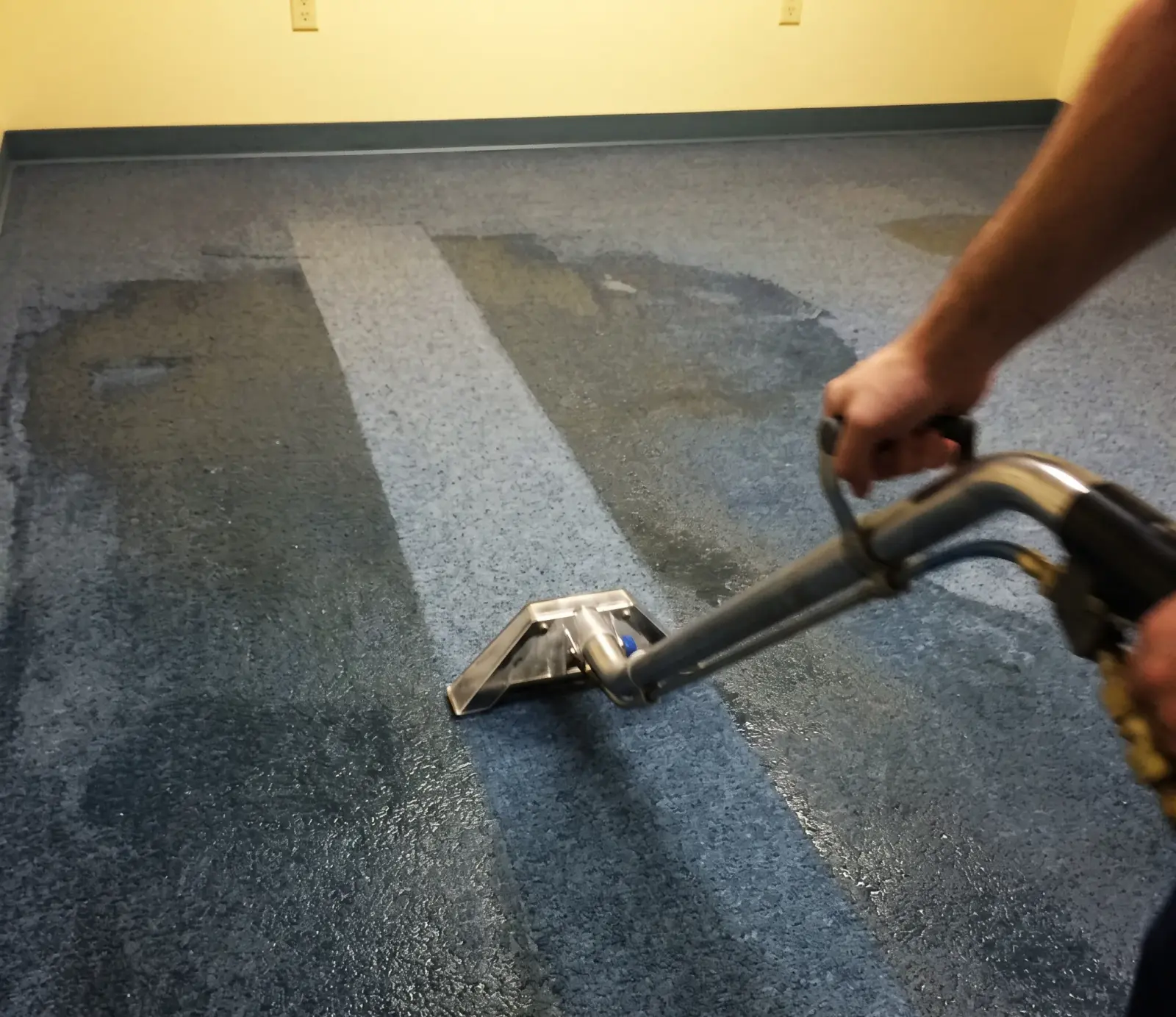
How long does emergency water extraction take in Carmel? See how water volume, room layout, surfaces, and access shape the duration estimate.
Read article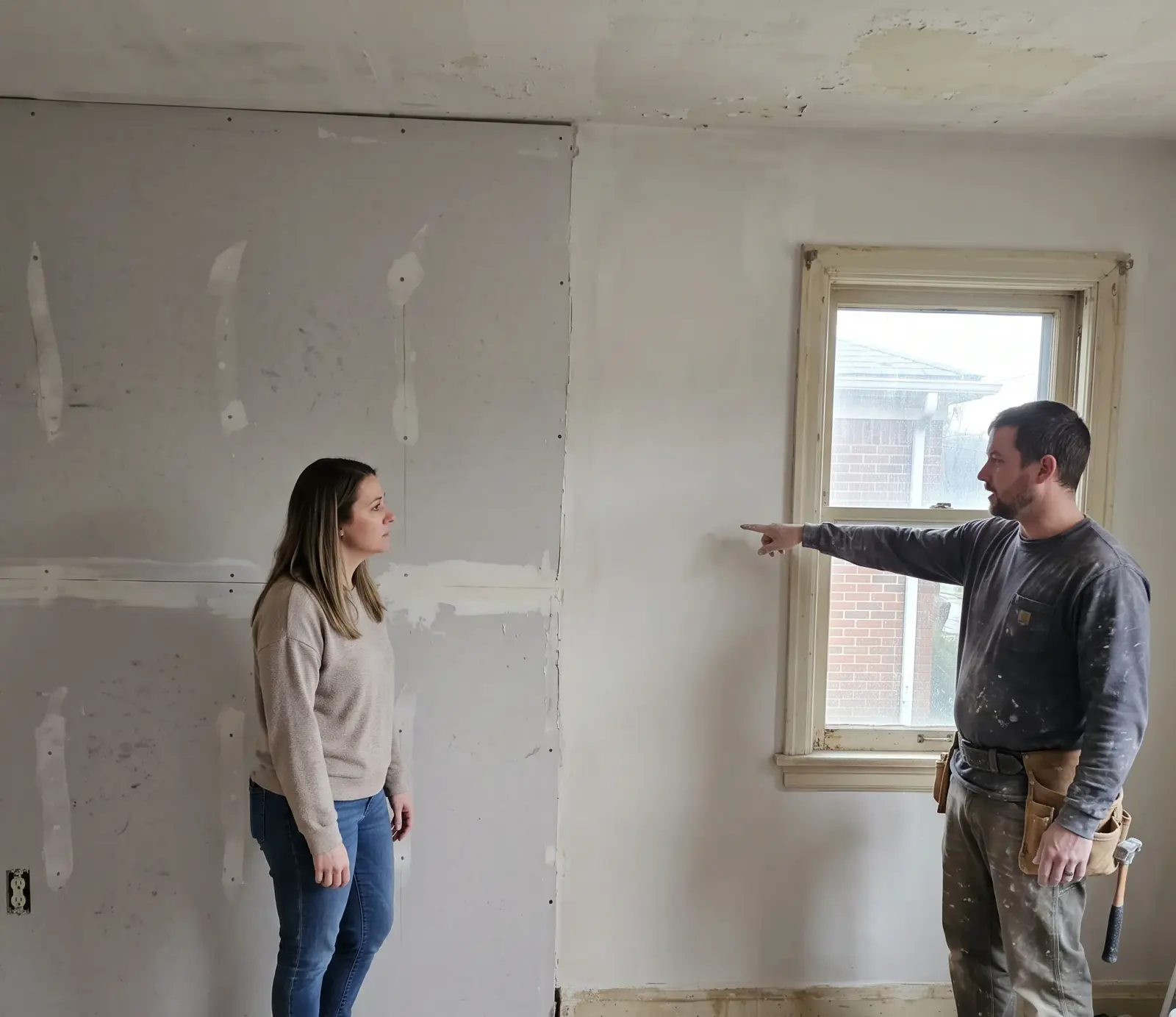
A Carmel homeowner can use visible room conditions to decide when a wet route should stay closed and what observations to share for a professional assessment.
Read articleAfter storm water enters a Carmel property, proximity to the White River or Cool Creek alone cannot establish its flood status; the address needs a property-level check. A request from near Midtown Plaza still needs details about the affected rooms and whether water appears to have come from plumbing, outside runoff, or a drain, since these can lead to different next work. Ask the pros we connect you with for a written extraction scope and an explanation of any separate work that may follow.
Call (317) 799-9832