School and Campus Water Extraction
School Campus Response
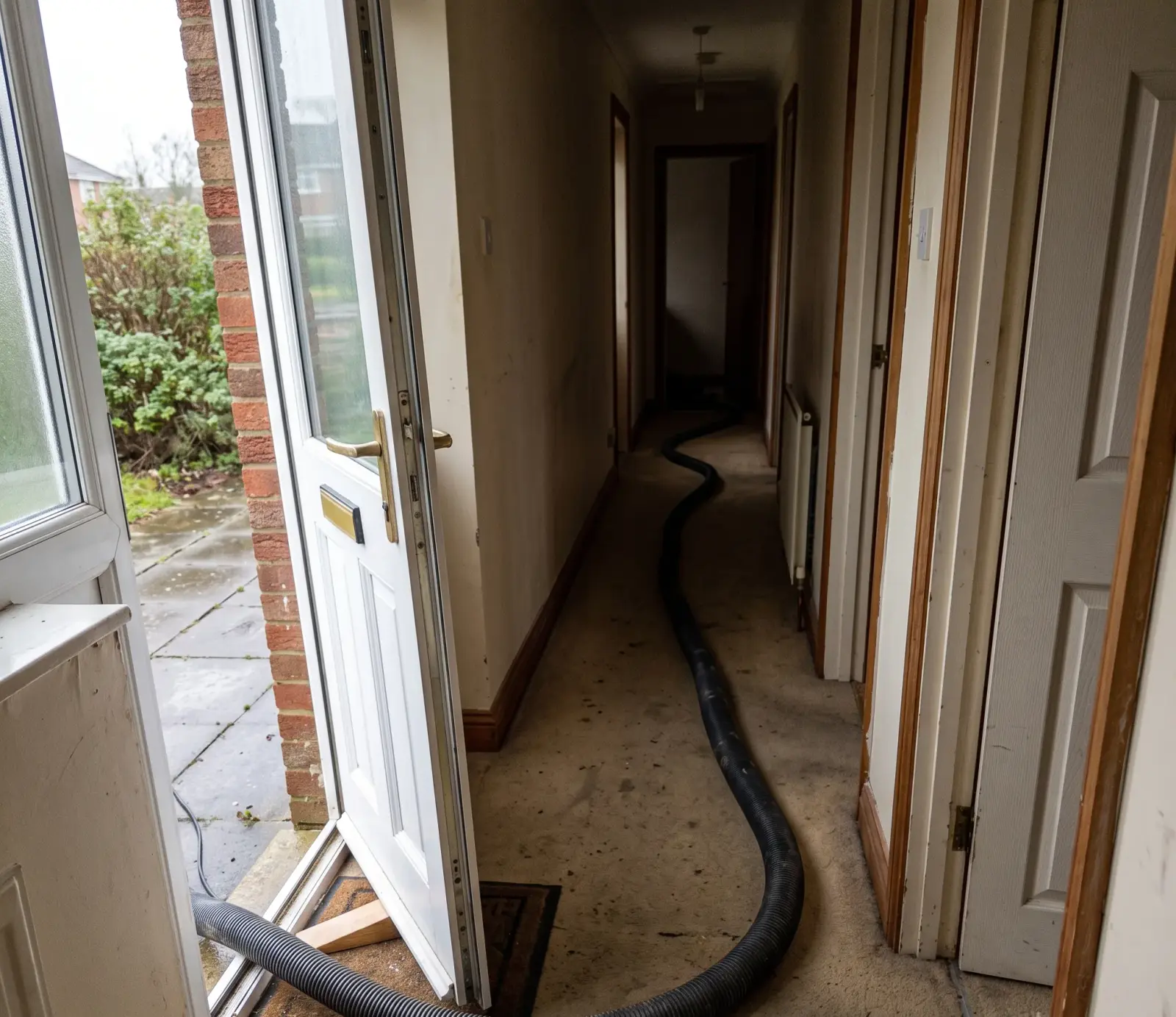
Plan hotel water removal around affected rooms, equipment access, and clear handoffs between facilities and operations.
Hotels in Carmel can list affected rooms and service spaces, then agree with facilities on equipment access, guest routes, and areas that may need temporary closure. Share those limits with an independent provider and confirm the proposed removal scope before work begins.
A hotel water extraction plan starts when staff find pooled water in a guest room, lobby, or service area and have to decide what can stay open. Hotel water extraction means removing standing water from the affected parts of a property. In Carmel, a leak or storm-related intrusion can interrupt check-in, room turnover, or food service while the source is handled separately. The first useful call is clearer when staff can say where water is visible, which routes are affected, and who can coordinate access.
The operational cost is not limited to the wet space. A blocked corridor can slow housekeeping; a closed room can change arrivals and room assignments; equipment movement can compete with deliveries or meal service. For a Carmel hotel, the scale of the disruption depends on which functions share the affected route and whether another path is usable. Tell the provider what operations are time-sensitive so the proposed work can account for those limits. No schedule or cost can be judged from the amount of visible water alone.
A workable response needs one view of the incident from facilities and hotel operations. Facilities staff can identify the rooms, building systems, and service routes involved; operations staff can explain guest movement, occupancy needs, and timing constraints. That coordination helps the pros we connect you with understand where removal is needed and how staff can make the area available. Carmel properties differ, so describe the actual layout and disruption rather than assuming a standard hotel plan will fit.
Before arranging hospitality water removal, make a location list that distinguishes confirmed pooling from nearby areas staff have not checked. Name the floor, room or function, and visible boundary; note whether water has crossed a doorway or reached a shared passage. A rough sketch can show how those spots connect to elevators, service areas, and guest routes. In Carmel, the list gives facilities and operations a common starting point, while the provider can clarify which locations need assessment before the removal scope is set.
Guest flow can turn a manageable closure into a service bottleneck. Identify when arrivals, housekeeping, dining, or an event relies on the affected passage, then ask what alternate route staff can use during removal. A hotel serving people traveling between Broad Ripple Village and Butler University may have different movement patterns from one whose guests are headed toward Fashion Mall; those names are examples of guest destinations, not a substitute for checking the hotel's actual traffic. Share the relevant schedule with the provider before work is arranged.
| Affected zone | Access plan | Work scope |
|---|---|---|
| Work zone | Lobby, room wing, or service area | Gives facilities and provider a shared boundary |
| Water location | Visible pooling and suspected spread | Points the assessment toward affected spaces |
| Guest circulation | Hallways guests need to keep using | Helps staff direct guests around equipment |
| Provider entry | Loading point and route to the area | Reduces crossings with housekeeping and deliveries |
| Room assignment | Rooms temporarily held from occupancy | Lets the desk adjust arrivals and placements |
| Activity window | Check-in, dining, or scheduled events | Helps choose a workable time for equipment movement |
| Shift transfer | Zones addressed and tasks still pending | Lets incoming staff continue coordination |
| Open decisions | Unconfirmed access or affected-area limits | Identifies who must resolve them before work |
Access planning should cover how the work area will be reached without opening extra parts of the building to foot traffic. Tell the provider which entrance staff can make available, what doors need controlled access, and whether elevators or service passages have operating rules. The facilities contact can coordinate keys or escort arrangements with hotel staff. In Carmel, setting those details before arrival can reduce interruptions at the front desk and limit confusion about who may enter the affected area.
Ask where hoses and equipment need to go, how staff should keep the route clear, and whether the work could interfere with nearby hotel functions. Those answers help operations decide whether to redirect guests, pause a task, or close a small section temporarily. Make the plan specific to the rooms and pathways involved; a general notice may leave guests walking toward a restricted area. Carmel hotel staff can post or communicate the chosen route once the provider explains the access needs.
Safety determines which routes remain usable. If standing water is near outlets, appliances, or wiring, keep guests and employees out while electrical safety is uncertain and seek qualified help. Do not send staff through the water to move belongings or open a route. The same boundary applies in Carmel even when a closure affects service. Once the area is assessed as safe, the hotel contact can update the access plan and explain which doors or passages remain unavailable during removal.
If water is present in several locations, ask the provider to describe the proposed order and what each stage needs from hotel staff. A room that can be isolated may be approached differently from a pooled area along an active service route, but the plan should reflect the conditions found onsite. In Carmel, operations can use that sequence to adjust room assignments or route staff while facilities arranges access. The sequence is a planning conversation, not a promise that other areas can remain open.
Agree on the locations included before removal starts, and flag any reported area the provider has not yet seen. That keeps a wet room from being mistaken for the full scope if water also reached a corridor or back-of-house space. Ask what requires a separate decision, such as repairing the leak or addressing water that may be contaminated. For a Carmel hotel, clear boundaries make shift handoffs easier because incoming staff can tell which locations are part of the current work and which need further attention.
During the response, give facilities and operations a shared update on which spaces are closed, what access has changed, and when the plan is revised. A brief incident log can preserve those decisions across shift changes and help staff answer practical questions from guests. In Carmel, assign a hotel contact to collect updates from the people coordinating the work rather than relying on separate verbal accounts. Record the location and status in plain terms so the next shift knows which route to keep clear.
Ask the provider for a written estimate and a description of the removal work, then keep them with the hotel's incident information. Those records can help the property explain what work was proposed and where it took place if an insurer asks for details; they do not establish that a claim will be covered. A Carmel hotel should check its policy and speak with its insurer about the specific loss. The written scope also gives facilities a reference when reviewing whether the agreed locations were addressed.
Once standing water is gone, confirm which agreed locations were addressed and ask what observations remain relevant to the next decision. Water removal alone does not establish that floors or other materials are dry, and assessment or drying may be separate work. Likewise, fixing the source is outside extraction. For a Carmel property, those boundaries help managers decide whether a room or passage can return to service, or whether access should remain restricted while another qualified party evaluates it.
To arrange emergency hotel water removal, prepare the affected-location list, access rules, operating constraints, and a contact who can make decisions for the property. Share that information with an independent extraction provider and ask what scope and coordination the proposed work requires. Carmel staff should also identify any immediate safety concern before anyone enters the area. The unresolved question after the call is practical: which hotel functions can continue during removal, and what conditions must be met before restricted spaces reopen?
For a Carmel hotel, the cost of commercial water extraction can shift when wet rooms sit on separate floors, a service area must stay open, or work needs to fit around check-in and housekeeping. Those choices affect equipment movement and how much of the property can be handled in one setup. A clear list of affected rooms and services helps the provider distinguish the initial removal from additional areas found later. Ask the pros we connect you with which access assumptions shape the proposed scope.
A request begins with location: review the places listed below, then ask the pros we connect you with whether extraction is available for the affected property, includingCarmel, Westfield and Noblesville. Before setting a time, check for an assessment charge and ask that urgent water removal and any drying be scoped independently.
At a warehouse, the quote can reflect each service visit, the portion of the floor affected, and whether water removal must be repeated. $700–$1,400 helps frame the estimate; shelving, loading-area access, water depth, and spread into adjoining storage sections influence the work.Ask which cleanup tasks the estimate covers so the scope is clear before work begins. When calling, describe those conditions, where water remains, and any active source. Give the address and a reference such as Fashion Mall or Fall Creek.For complete Emergency Water Extraction costs, see pricing guide; commercial overview outlines commercial water removal and how lingering moisture is addressed.
School Campus Response
Carmel Restaurant Water Removal
Healthcare Water Extraction
Keep guests away from the active work area and any route equipment must use. Facilities can choose a temporary path through the hotel and tell the front desk where guests should go instead. If water is near outlets or equipment, do not enter that area; wait for qualified guidance. In Carmel, decide who can change the boundary if the wet area or equipment route shifts during removal.
Tell the provider which rooms and service spaces are affected, when those areas are in use, and which entrances or lifts staff can make available. Facilities can also flag check-in periods, housekeeping rounds, and scheduled functions that may conflict with equipment movement. In Carmel, assign one operations contact to relay changes to the front desk so staff are working from the current plan.
Possibly, if facilities and the provider can keep guest movement and hotel work separate. Ask which entrances, corridors, or service routes the removal work needs, then decide whether nearby services can operate without crossing that path. If the boundary or route changes, review the affected service before keeping it open. The hotel should make room and service status decisions through its own operations contact.
Ask the provider to describe the locations included in the proposed removal and the access conditions the plan assumes. If facilities later identifies another wet room or a route becomes unavailable, check how that changes the work sequence and scope before proceeding. Keep a hotel contact available to resolve those decisions, since room status and guest access depend on the property's operating plan.
Give the provider the hotel address, affected rooms, and access limits; a nearby reference such as Midtown Plaza can help clarify the location.
Call (317) 799-9832