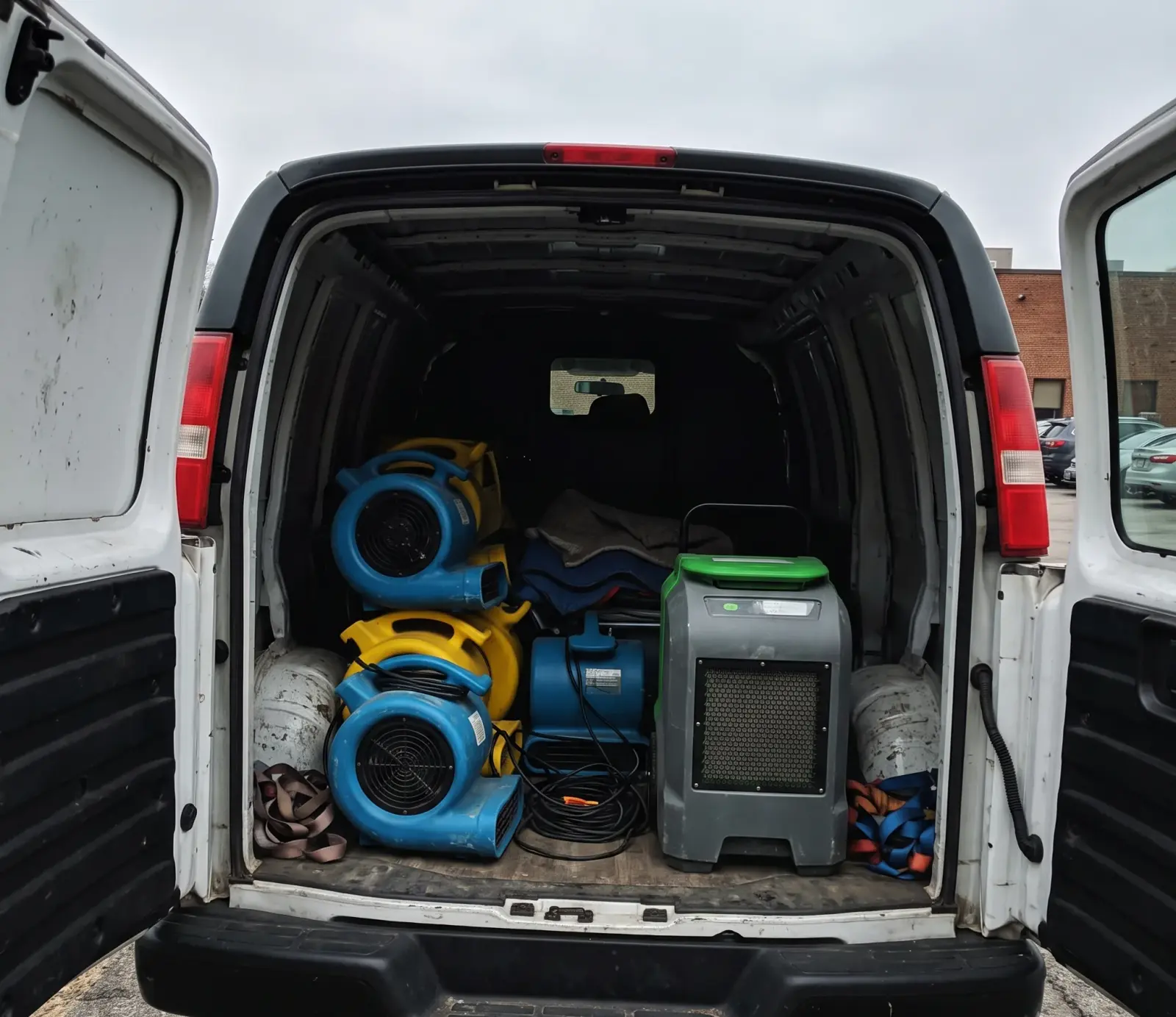
How Wet Materials Affect Next Steps
Water may spread beyond its first visible spot, so include other damp areas in the inspection. Their names do not establish conditions at a home; the estimate needs the actual rooms and surfaces where water was found.
A property near the Arts & Design District or Midtown Plaza still needs a site-specific scope. Local landmarks cannot show how much water entered a particular home, so the written estimate should describe the observed work area and its assumptions.
In Carmel and Hamilton, two addresses with similar mailing details may fall in different service areas. The pros we connect you with need the property’s street address to check availability for Emergency Water Extraction.
Water Removal Scope
- WATER DEPTH
- Water depth and how many rooms it reached help define the removal area and expected work.
- AFFECTED ROOMS
- Floor coverings, stored belongings, and narrow routes can add handling or setup time.
- MATERIALS
- Moisture assessment or drying equipment may be proposed as separate work after removal.
- ACCESS
- A written estimate should state its room boundaries and how added findings or charges will be handled.
- WRITTEN SCOPE
- Sharing access details ahead of the visit can help the licensed pros we connect you with prepare to reach the work area.
- CLAIM RECORDS
- Seasonal shifts in Carmel's water table can contribute to basement intrusion, but the calendar does not determine an extraction estimate. The affected rooms, surfaces, and observed water conditions define the work at the property.
- EQUIPMENT
- an estimated $250–$1,300
Safety Around Wet Electrical Areas
Water damage restoration cost may cover tasks beyond removing standing water. Check whether drying or material removal appears as a separate line item after extraction. An estimate can separate work by the condition being addressed. Extraction applies while liquid water can be collected; drying applies after visible water is gone but moisture remains in materials. Ask what finding marks the handoff and whether limited access to those materials could change the listed work.
Safe Access Sets the Starting Point
The owner can point out areas that feel damp even when no water is pooled there. That inspection defines the proposed removal area and the conditions behind the extraction estimate. The written scope should make clear which rooms and tasks the owner is agreeing to.
The provider then removes standing water from the areas named in the scope and records the work completed. A moisture assessment may identify further tasks after removal; any drying equipment or other follow-up should be described as its own proposed work and charge.
A one-visit job is plausible when all pooled water is reachable and no damp materials need attention afterward. If checks reveal moisture in floors or walls, a longer drying plan may follow. Ask the pros we connect you with to describe the removal boundary and next steps in writing.
WHAT WATER PICKUP SETTLES BEFORE DRYING IS CONSIDERED
| Intrusion Source |
Pump Access |
|---|
| Room pooling after a leak | Electrical hazard caution |
| Water gathers again after the first pass | Contents and materials |
| Distinct areas affected at once | Water cleared; material drying starts |
INSURER CONTACTAsk the licensed pros we connect you with for business and insurance details before agreeing to work. Carmel Engineering guidance addresses conditions for connecting sump pumps and other private drains to the city storm sewer; it is not a general extraction rule. Ask for an estimate that identifies the work and its scope.
Dampness Across Building Materials
When water continues entering from an active source, a completed removal can be followed by another pool. That can extend the affected area and require additional extraction work. Ask whether the estimate covers the water present during inspection or sets out how later removal would be handled.
Gather Details About the Water Source
From a dry area, a homeowner can photograph the water line, list the rooms it reached, and note which belongings block access. Keep the record factual and avoid moving heavy or wet items just to expose flooring. Those observations can help the provider define the estimate without expanding the affected area.
Keeping Clear of Contaminated Water
Standing water can conduct electricity if it reaches wiring, outlets, or appliances. Water from an unknown source may contain contaminants, so avoid contact until its source is understood. A dry floor edge does not make a wet area safe to cross. Slippery surfaces also raise fall risk, especially while belongings or hoses are being moved.
Check Whether Extraction Includes Source Repair
The estimate can change with the quantity collected, rooms involved, and setup needed; ask the pros we connect you with to itemize water-removal work in writing.In Carmel, this scope guide covers removing pooled water from affected rooms; moisture checks and drying, leak repair, sewage cleanup, mold remediation, and rebuilding fall outside that work. Those added tasks change the estimate. Ask the pros we connect you with to state any visit charge and list the extraction work in a written estimate before scheduling.See the pricing guide for the complete range and details behind a final scope.